
The Clinical Trial Enrollment Process: What to Expect From Start to Finish
Understanding how to join a clinical trial involves more than simply expressing interest in research participation. The enrollment process includes multiple steps designed to protect your safety, ensure you understand what participation involves, and determine whether you’re a good fit for specific studies.
This comprehensive guide walks you through each phase of learning how to join a clinical trial, from initial research through enrollment decisions. Whether you’re exploring trials as a treatment option for a health condition or considering participation as a healthy volunteer, knowing what to expect helps you navigate the process confidently.

Determining Your Readiness
Before learning how to join a clinical trial, evaluate your motivation and readiness for research participation. Are you seeking access to new treatments because current options aren’t working effectively? Looking for alternatives due to side effects from standard treatments? Interested in contributing to medical research that could help future patients?
Your reasons for considering clinical trials influence which studies might be appropriate and help research teams understand your goals. Clear motivation also helps you stay committed through the enrollment process and potential study participation.
Consider your practical readiness for clinical trial participation. Can you commit to regular study visits that might last several hours? Do you have reliable transportation to research sites? Can you follow detailed medication schedules and complete required paperwork?
Timing Your Decision
Think about timing in relation to your current treatment situation. If you’re responding well to current therapy, you have time to research options thoroughly and carefully evaluate potential trials. If your condition is progressing or treatments are failing, you might need to move more quickly.
Discuss clinical trial timing with your healthcare provider. They can help you understand when in your treatment journey research participation makes most sense. Some trials work best as first-line treatments, while others are designed for people who’ve exhausted standard options.
Seasonal factors can affect trial availability. Some studies pause enrollment during holidays. Others have budget cycles that influence when new trials open. Starting your research early provides more options.

Beginning Your Search
How to join a clinical trial starts with systematic searching to identify relevant studies. Multiple resources exist, and using them strategically improves your chances of finding appropriate opportunities.
Using ClinicalTrials.gov
Start your search on ClinicalTrials.gov, the most comprehensive database of clinical studies worldwide. This free resource lists over 400,000 studies from all 50 states and 220 countries.
Begin with basic searches using simple terms related to your condition. “Heart failure,” “diabetes,” or “depression” work better than complex medical terminology. Review initial results to understand what types of trials exist for your situation.
Use advanced search features to filter results by location, study status, and trial phase. Focus on “recruiting” studies in your geographic area. Consider expanding your search radius if you have a rare condition or live in an area with limited research activity.
Set up email alerts for your search terms. The database will notify you when new studies matching your criteria become available, keeping you informed about emerging opportunities.
Expanding Beyond Databases
How to join a clinical trial often requires looking beyond online databases. Many trials never appear in public listings, especially early-phase studies or trials that fill quickly through physician referrals.
Contact research sites directly even if they don’t have relevant trials listed online. Academic medical centers, hospitals with research programs, and dedicated clinical research organizations often conduct multiple studies and maintain waiting lists for upcoming trials.
Reach out to patient advocacy organizations for your condition. These groups frequently maintain their own trial databases and can provide personalized assistance finding relevant studies. They may also know about trials in development that haven’t started recruiting yet.

Preparing for Initial Contact
Once you’ve identified potential trials, preparing for initial contact with research sites improves your experience and helps teams assess your potential fit efficiently.
Gathering Essential Information
Compile key information about your medical situation before contacting research sites. Create a one-page summary including your primary diagnosis and when you received it, all treatments you’ve tried and their outcomes, current medications with exact doses and timing, other health conditions you have, and your general availability for study visits.
This preparation demonstrates serious interest in participation and helps you provide consistent information across multiple sites. It also streamlines conversations with research coordinators who need basic medical information to assess initial eligibility.
Organize recent medical records if available. Laboratory results, imaging studies, and consultation reports provide research teams with detailed information about your current health status. While you don’t need these for initial contact, having them ready speeds up later steps.
Questions for Research Sites
During initial conversations, gather essential information about each trial. Ask about basic eligibility requirements, time commitment for participation, study location and logistics, what the study is testing and why, and any compensation or reimbursement provided.
Inquire about the research team’s experience with similar studies. How many participants have they enrolled in trials for your condition? What support do they provide throughout the enrollment process and study participation?
Ask about upcoming studies if current trials don’t seem appropriate. Many research sites conduct multiple studies and can provide information about trials opening in the coming months.

The Pre-Screening Process
Most sites use telephone or email pre-screening as the next step in how to join a clinical trial. This preliminary assessment determines whether you’re likely to qualify for formal screening evaluation.
Preparing for Pre-Screening
Research coordinators will ask detailed questions about your medical history, current symptoms, and medications during pre-screening calls. Have your medical summary ready, along with specific details about symptom onset, progression, and impact on daily activities.
Be completely honest about your medical situation. Providing inaccurate information during the enrollment process wastes time for everyone and can prevent you from finding truly appropriate trials. Research coordinators are medical professionals trained to understand health conditions objectively.
Ask for clarification if coordinators use medical terms you don’t understand. The pre-screening conversation should leave you with clear understanding of whether the trial might be appropriate and what next steps would involve.
Managing Pre-Screening Outcomes
If pre-screening suggests you might qualify, coordinators will explain the formal screening process and help schedule your screening visit. Ask about what to bring, how long the visit will take, and any preparation required.
If pre-screening indicates you don’t qualify, ask about other trials the site might be conducting or planning. Research organizations often run multiple studies with different eligibility criteria.
Request referrals to other research sites if appropriate. Experienced coordinators often know colleagues conducting similar research and can suggest alternative options worth exploring.

Preparing for Screening Visits
The formal screening visit represents the most comprehensive part of learning how to join a clinical trial. This evaluation determines final eligibility and provides detailed information about study participation.
Logistical Preparation
Screening visits typically last 2-4 hours, much longer than routine medical appointments. Clear your schedule completely and arrange childcare or other responsibilities accordingly. Bring books, music, or other entertainment for potential waiting periods between procedures.
Confirm parking arrangements and transportation options. Some research sites provide free parking or partner with ride-sharing services to remove access barriers. Others offer reimbursement for travel expenses.
Ask about bringing a support person to the screening visit. Many sites welcome family members or friends who can help you remember information and provide emotional support during the consent discussion.
Document Collection
Gather all required documents before your screening visit. Essential items include current photo identification, insurance cards, complete medication list with exact doses and timing, contact information for all your healthcare providers, and any recent medical records or test results.
Prepare a comprehensive list of questions about the study. Include concerns about time commitment, potential side effects, what happens if you need to withdraw, and how the experimental treatment compares to standard care options.
Create a detailed medical history summary focusing on your condition and treatment experience. This helps you provide accurate, consistent information during the screening evaluation.

The Comprehensive Screening Experience
During the screening visit, you’ll participate in thorough medical evaluation and detailed informed consent discussion that forms the foundation of ethical research participation.
Understanding Informed Consent
The informed consent discussion is the most critical part of how to join a clinical trial and your most important protection as a research participant. A physician or experienced research coordinator explains every aspect of the study in clear, understandable language.
This comprehensive conversation covers the study’s scientific purpose and design, all procedures you’ll undergo if you participate, potential risks, side effects, and discomforts, possible benefits of participation, alternatives to study participation, and your complete rights as a research participant.
Never feel pressured to make immediate decisions during this discussion. Most people take consent forms home to review with family members or their personal physicians. This reflection time is actively encouraged by ethical research teams.
Ask questions about anything that seems unclear. How often will study visits occur? What specific tests will be performed? What side effects have been observed in previous research? How will your personal medical information be protected?
Comprehensive Medical Assessment
The screening evaluation includes thorough medical assessment to confirm eligibility and establish baseline measurements for the study. Expect detailed review of your complete medical history, including your primary condition, all previous treatments and their outcomes, other health issues and medications, family medical history, and lifestyle factors.
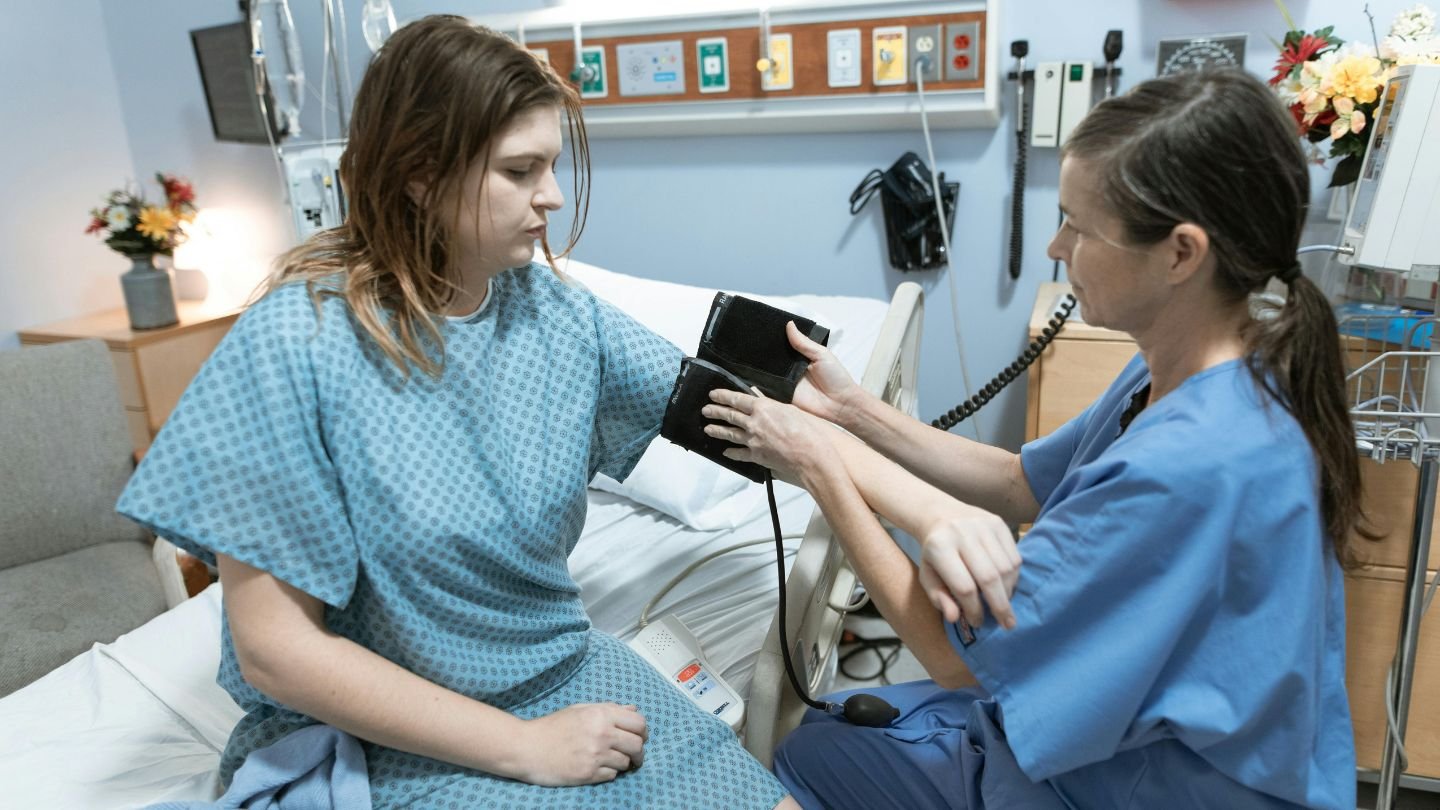
Physical examination components vary significantly by study focus but typically include comprehensive vital signs, focused examination of body systems relevant to the research, and overall health assessment. Some studies require specialized testing like electrocardiograms, cognitive assessments, or imaging studies.
Laboratory testing is standard in virtually all clinical trials. Blood work typically evaluates organ function, blood cell counts, inflammation markers, and measurements specific to the condition being studied. Some trials require urine tests, genetic testing, or other specialized laboratory procedures.
Be prepared to discuss your symptoms with precision and detail. Research teams need accurate information about symptom onset, progression patterns, triggers that make symptoms better or worse, and specific impacts on your daily functioning.
Bonus Question: What Happens After the Study Ends?
After completing all screening procedures, research teams carefully review your results to determine final eligibility. This analysis can take several days if laboratory results need detailed evaluation or if principal investigators need to assess complex medical situations.
Understanding Qualification Outcomes
If screening confirms you qualify for the study, research coordinators contact you to discuss enrollment details and next steps. They’ll provide comprehensive information about visit schedules, study materials, and answers to any additional questions about participation.
If you don’t qualify for the current study, coordinators explain the specific reasons in detail. Don’t interpret non-qualification as personal rejection. Eligibility criteria exist for important scientific and safety reasons, and different studies have vastly different requirements.
Ask for thorough explanation of why you don’t meet current criteria. Understanding specific reasons helps you identify other trials where you might qualify and guides your continued search efforts.
Making Your Final Decision
If you qualify, carefully evaluate whether study participation aligns with your goals and circumstances. Consider the time commitment required and how it integrates with work, family, and other responsibilities. Assess potential benefits and risks based on your individual medical situation and satisfaction with current treatments.
Think honestly about your comfort level with the inherent uncertainties of research participation. Clinical trials test treatments that aren’t yet proven effective, and individual outcomes can’t be guaranteed.
Evaluate your confidence in the research team and facility. You’ll be working closely with these medical professionals for months or potentially years, so feeling comfortable with their expertise and approach is essential.
Remember that enrollment decisions remain changeable. If you decide to participate, you retain the absolute right to withdraw at any time for any reason without penalty or negative impact on your regular medical care.
Beginning Your Research Journey
How to join a clinical trial culminates in enrollment and the beginning of study participation. This represents your transition from potential participant to active contributor in medical research that could benefit countless future patients.
At Valiance Clinical Research, we support participants through every step of learning how to join a clinical trial. Our experienced coordinators provide clear information, respect your decision-making timeline, and ensure you feel completely confident about your choices.
Understanding how to join a clinical trial empowers you to make informed decisions about research participation while contributing to medical advancement that improves treatments for everyone facing similar health challenges.