
A Day in the Life of a Clinical Trial Participant
Life during clinical trial participation involves more structure and attention to health details than most people experience in routine healthcare. While every study is different, understanding typical daily routines helps you prepare for how research participation might fit into your existing lifestyle.
This detailed look at life during clinical trial follows composite experiences from various participants to show realistic daily routines, challenges, and adaptations. Whether you’re considering your first trial or comparing different studies, knowing what daily participation involves helps you make informed decisions about research commitment.
Morning Routine: Medication and Monitoring
Life during clinical trial typically begins with structured morning routines centered around study medication and health monitoring. Most trials require taking study drugs at specific times, often with particular requirements about food, drink, or other medications.
Sarah, participating in a diabetes prevention trial, sets her alarm for 6:30 AM to take her study medication exactly one hour before breakfast. The protocol requires taking the pill with a full glass of water on an empty stomach, then waiting precisely 60 minutes before eating anything.
She uses her smartphone to log the exact time she takes the medication in her study diary app. The research team provided detailed instructions about recording medication timing, and Sarah has developed a routine that ensures accurate documentation.
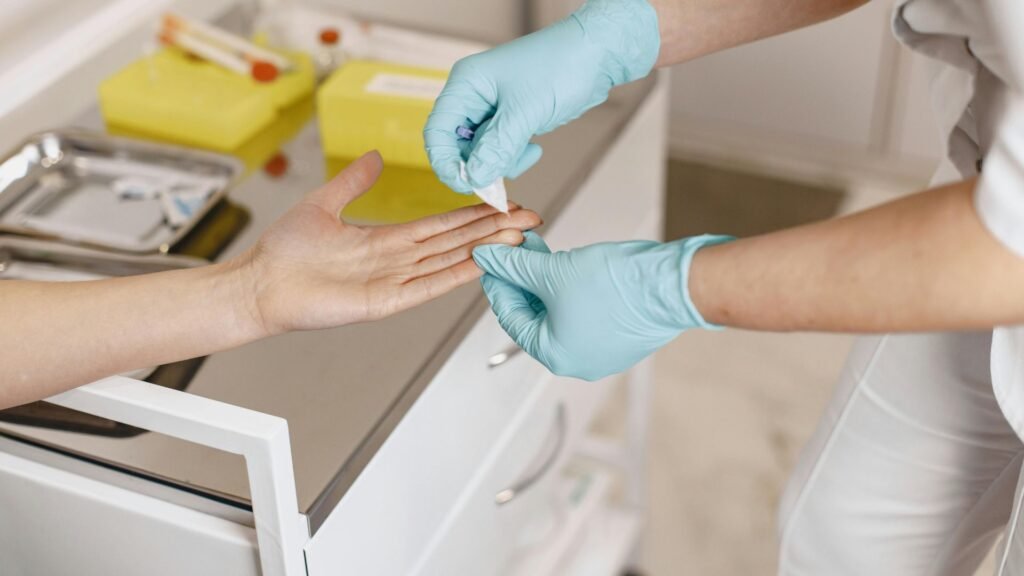
While waiting for breakfast, Sarah checks her blood pressure using the home monitor provided by the study. She records the readings in her paper diary, noting any symptoms or changes from previous days. This daily monitoring helps track how the experimental medication affects her cardiovascular health.
Life during clinical trial often involves more attention to physical symptoms than people typically pay. Sarah notes her energy level, any unusual sensations, and how well she slept. These observations become important data points during study visits.
Her breakfast timing is controlled by the study protocol. She must eat within specific time windows relative to medication administration, and certain foods are restricted. Sarah has learned to prepare compliant breakfasts in advance to maintain her work schedule.
Workplace Adaptations
Life during clinical trial requires workplace adjustments to accommodate study requirements while maintaining professional responsibilities. Many participants develop strategies for managing research commitments alongside career demands.
Mark, enrolled in a heart failure study, works as an accountant with demanding deadlines. His trial requires monthly visits that last 3-4 hours, plus occasional unscheduled appointments if side effects occur.
He schedules study visits early in the morning or late in the afternoon when possible to minimize work disruption. When visits must occur during business hours, Mark uses vacation time or works flexible hours to make up the time.
Life during clinical trial includes managing medication schedules around work meetings. Mark takes his study medication twice daily at 8 AM and 8 PM. He sets discrete phone alarms and keeps his medication in a small travel case for privacy.
Workplace bathrooms become private spaces for checking study diaries, taking additional measurements, or making notes about symptoms. Mark records his heart rate and energy levels at lunch time using the fitness tracker provided by the study.
Some days, side effects from study medication affect work performance. Mark experiences occasional dizziness that makes concentration difficult. He has learned to recognize these patterns and adjust his work schedule accordingly, tackling complex tasks when he feels sharpest.
Life during clinical trial sometimes involves unexpected medical appointments that conflict with work commitments. When Mark developed concerning symptoms, the research coordinator called him immediately to schedule an urgent safety visit. He had to leave work suddenly, which required explaining the situation to his supervisor.

Family Life Integration
Life during clinical trial affects family dynamics as medication schedules, dietary restrictions, and frequent medical appointments become part of household routines. Successful participants often involve family members in managing study requirements.
Linda, participating in a cancer immunotherapy trial, coordinates her biweekly infusion appointments with her husband’s work schedule so he can drive her home afterward. The treatments cause fatigue that makes driving unsafe for several hours.
Her teenage children help monitor her symptoms by noting changes in her energy level, appetite, or mood that she might not notice herself. The research team encouraged family involvement in tracking potential side effects.
Meal planning becomes more complex during life during clinical trial when dietary restrictions apply. Linda must avoid certain foods that could interact with her immunotherapy. Her family has adapted by preparing separate meals or choosing restaurants with appropriate options.
The emotional aspects of trial participation affect family relationships. Linda’s husband initially worried about the risks of experimental treatment, while her children struggled with the uncertainty of not knowing whether she was receiving active treatment or placebo.
Family schedules adapt around the intensive medical monitoring that characterizes life during clinical trial. Linda’s monthly scans require full days at the medical center, affecting family activities and requiring childcare arrangements.
Travel plans must be coordinated with study visit schedules that cannot be easily changed. The family learned to plan vacations around mandatory appointments and always carry emergency contact information for the research team.
Evening Medication and Documentation
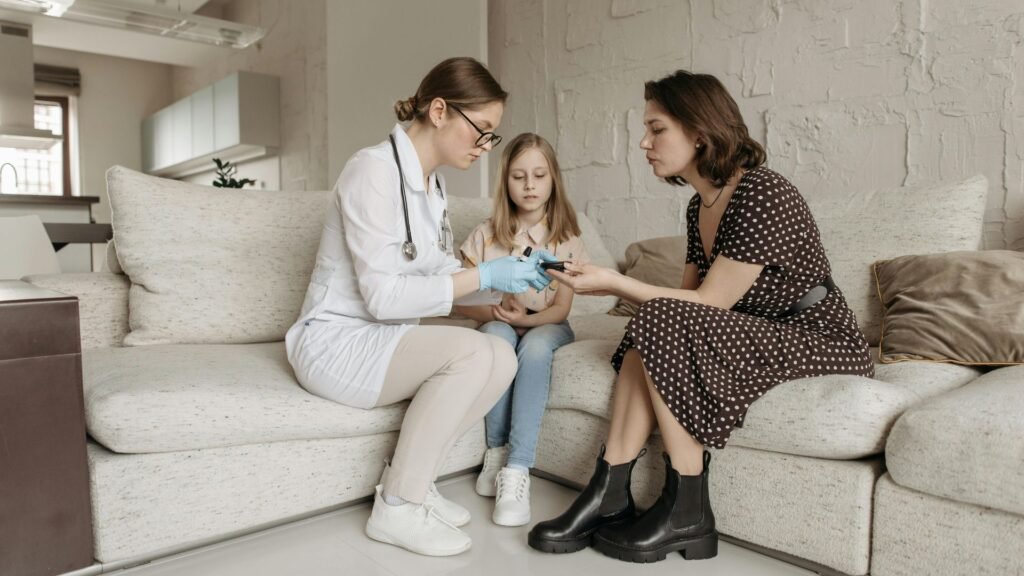
Life during clinical trial often intensifies in the evening with second medication doses, symptom documentation, and preparation for the next day’s requirements. Many participants develop detailed evening routines to maintain protocol compliance.
Robert, in a Parkinson’s disease study, takes his evening study medication at 7 PM with dinner. The protocol requires taking this dose with food to minimize nausea, unlike his morning dose taken on an empty stomach.
He spends 15 minutes each evening completing his detailed symptom diary. The study requires rating tremor severity, stiffness, balance problems, and quality of life measures on numerical scales. Robert has learned to be honest about symptom fluctuations rather than trying to appear consistently improved.
Life during clinical trial includes regular communication with research coordinators about concerning symptoms. Robert calls the study team’s 24-hour number when he experiences new symptoms or worsening of existing problems. The coordinators return calls promptly and provide clear guidance about whether symptoms require immediate attention.
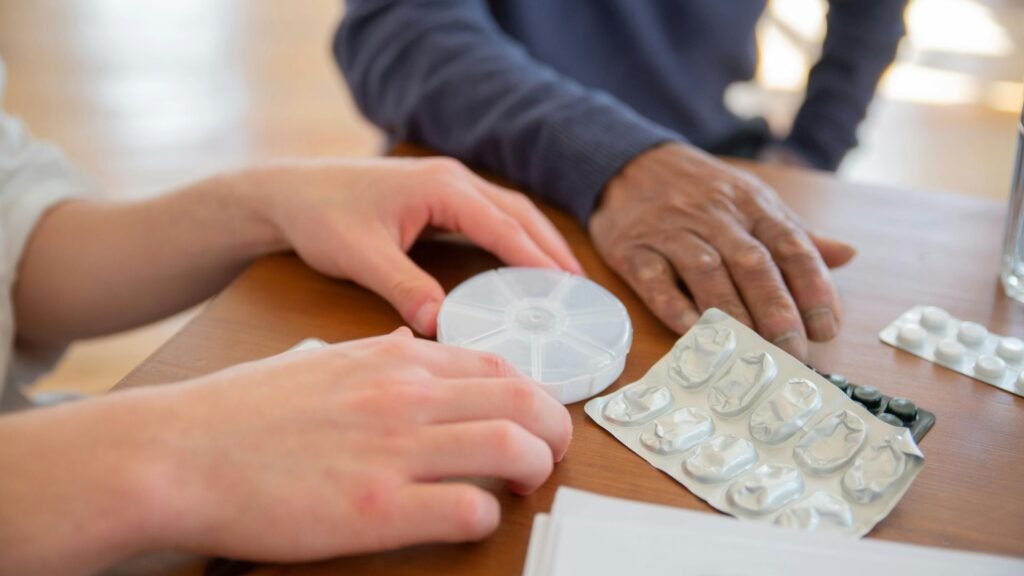
Evening routines include preparing for next-day study requirements. Robert organizes his medication doses in weekly pill containers, ensuring he never runs out of study drugs. He keeps backup supplies at work and in his car to maintain consistent dosing even with schedule changes.
The research team provided detailed instructions about what to do if doses are missed or taken incorrectly. Robert keeps these guidelines readily available and has called the study team twice when confusion about timing occurred.
Weekend Routines and Social Adjustments
Life during clinical trial continues through weekends with the same medication schedules and monitoring requirements as weekdays. Many participants find weekends easier for managing study requirements without work pressures.
Weekend study visits occasionally disrupt social plans, but many participants appreciate having more time for lengthy appointments without rushing back to work. Saturday morning visits allow for recovery time if procedures cause fatigue or side effects.
Social activities sometimes require modification during life during clinical trial participation. Alcohol restrictions in many studies affect social drinking. Dietary limitations might influence restaurant choices or party attendance.
Travel becomes more complex when managing study medications and visit schedules. Participants learn to pack medications carefully, maintain proper storage conditions, and coordinate with research teams when traveling across time zones affects dosing schedules.
Some participants use weekends to catch up on study documentation, organize medication supplies, or prepare questions for upcoming visits. The extra time allows for more thorough attention to study requirements without competing priorities.
Managing Side Effects and Symptoms
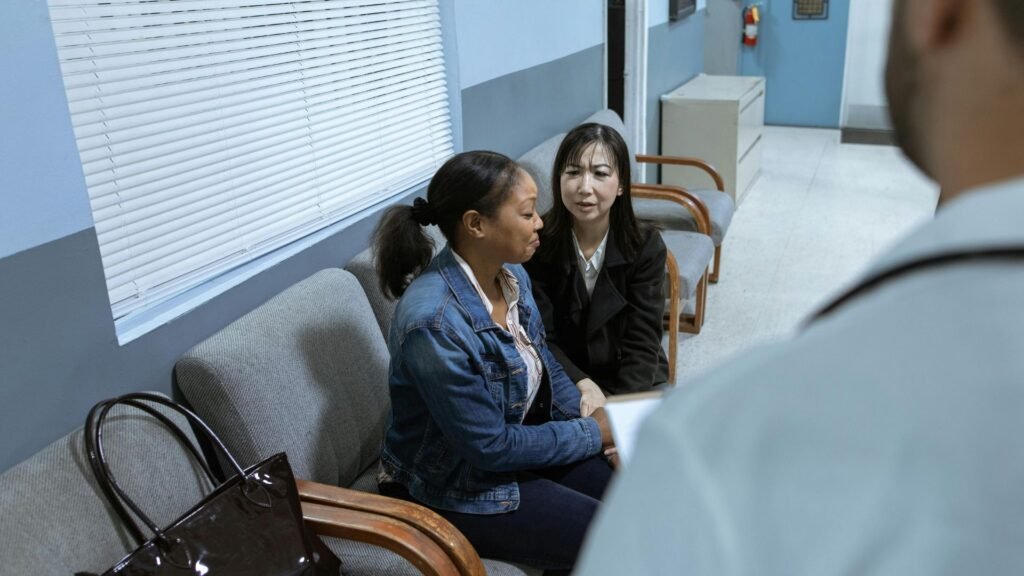
Life during clinical trial involves learning to distinguish between study-related side effects, symptoms of underlying conditions, and unrelated health issues. This skill develops over time with experience and guidance from research teams.
Participants become expert observers of their own bodies, noticing subtle changes that might indicate medication effects. They learn which symptoms require immediate reporting versus those that can wait until scheduled visits.
The 24-hour contact system provides security for participants who develop concerning symptoms outside normal business hours. Most research teams respond to calls or pages within hours, providing guidance about whether symptoms require emergency care.
Life during clinical trial includes developing coping strategies for predictable side effects. Participants learn to schedule demanding activities around times when they typically feel best and plan rest periods when side effects are most likely.
Communication with family physicians about study participation ensures coordinated care for health issues unrelated to the research. Participants learn to distinguish between problems that should be reported to research teams versus those handled through routine healthcare.
Long-term Perspective and Commitment
Life during clinical trial requires sustained commitment over months or years, depending on study duration. Participants develop realistic expectations about the demands of research participation and strategies for maintaining compliance.
The relationship with research coordinators often becomes personally meaningful as they provide consistent medical attention and emotional support throughout lengthy studies. Many participants describe research teams as extended family members who know their health status intimately.
Follow-up requirements continue after active treatment ends in many studies. Life during clinical trial transitions to life after clinical trial with ongoing safety monitoring and data collection that maintains connections with research teams.
The contribution to medical knowledge provides motivation for sustained participation even when personal benefits aren’t immediately apparent. Understanding the broader impact of research participation helps maintain commitment through challenging periods.
Practical Tips for Success
Successful life during clinical trial depends on developing routines that integrate study requirements with existing responsibilities. Participants who thrive often share common strategies for managing research participation effectively.
Organization becomes crucial for tracking medication schedules, visit appointments, symptom changes, and communication with research teams. Many participants develop detailed systems using calendars, apps, or written logs.
Communication with research teams should be proactive rather than reactive. Participants who report changes early often receive better support and avoid complications that arise when problems go unreported.
At Valiance Clinical Research, we support participants in developing sustainable routines that make life during clinical trial manageable while maintaining scientific rigor. Our community-based approach recognizes that successful research participation must fit into real lives with complex demands.
Life during clinical trial represents a temporary but significant commitment to advancing medical knowledge while potentially accessing innovative treatments. Understanding what daily participation involves helps you prepare for research commitment while maintaining your quality of life and meeting your other responsibilities.
The structure and attention to health details that characterize life during clinical trial often provide unexpected benefits including better health awareness, improved medication management skills, and stronger relationships with healthcare providers that continue long after study completion.