
Vaccine Development: Understanding Clinical Trials That Protect Us All
Vaccine trials represent one of medicine’s most critical research areas, testing immunizations that prevent infectious diseases and protect entire communities through widespread immunity. These rigorous studies follow strict safety protocols and scientific standards to ensure vaccines are both safe and effective before reaching the general public.
Understanding vaccine trials helps people appreciate the careful process behind immunizations while recognizing opportunities to contribute to research that protects global health. Whether considering participation or simply wanting to understand vaccine science, knowing how these trials work builds confidence in vaccination as a cornerstone of public health.
The Critical Importance of Vaccine Research
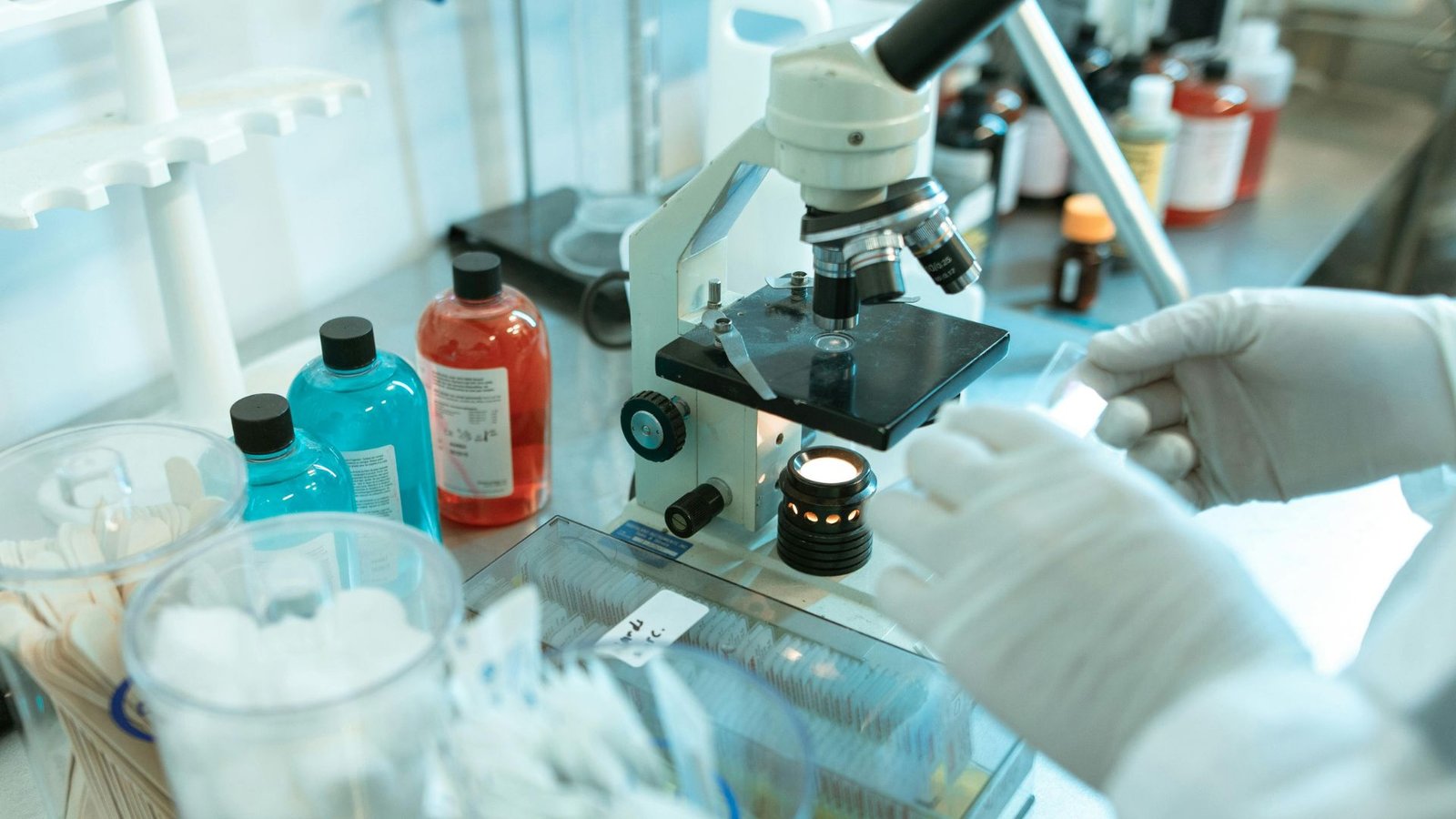
Vaccine trials serve as the essential bridge between laboratory discoveries and the immunizations that prevent serious infectious diseases worldwide. These studies must demonstrate not only that vaccines are safe for healthy individuals but also that they provide meaningful protection against targeted diseases.
The rigorous nature of vaccine trials reflects the unique challenges of testing preventive treatments in healthy volunteers rather than patients with existing conditions. Participants don’t have diseases that vaccines prevent, so researchers must carefully balance potential risks against community benefits.
Historical vaccine successes demonstrate the transformative power of well-conducted vaccine trials. Polio vaccines tested in the 1950s eliminated a devastating disease that paralyzed thousands of children annually. Measles, mumps, and rubella vaccines prevented millions of cases of serious childhood diseases through comprehensive testing programs.
Modern vaccine trials continue this legacy by testing immunizations against emerging threats, including COVID-19, influenza variants, and potential bioterrorism agents. These studies ensure that vaccines can respond rapidly to new infectious disease challenges while maintaining safety standards.
The urgency of vaccine development during health emergencies requires accelerated but still rigorous testing procedures. Recent COVID-19 vaccine trials demonstrated how scientific collaboration and streamlined processes can deliver safe, effective vaccines in record time without compromising safety standards.
Global coordination of vaccine trials ensures that immunizations work across diverse populations and geographic regions. International studies test vaccine effectiveness in different genetic backgrounds, age groups, and environmental conditions to ensure broad applicability.
Phases of Vaccine Development
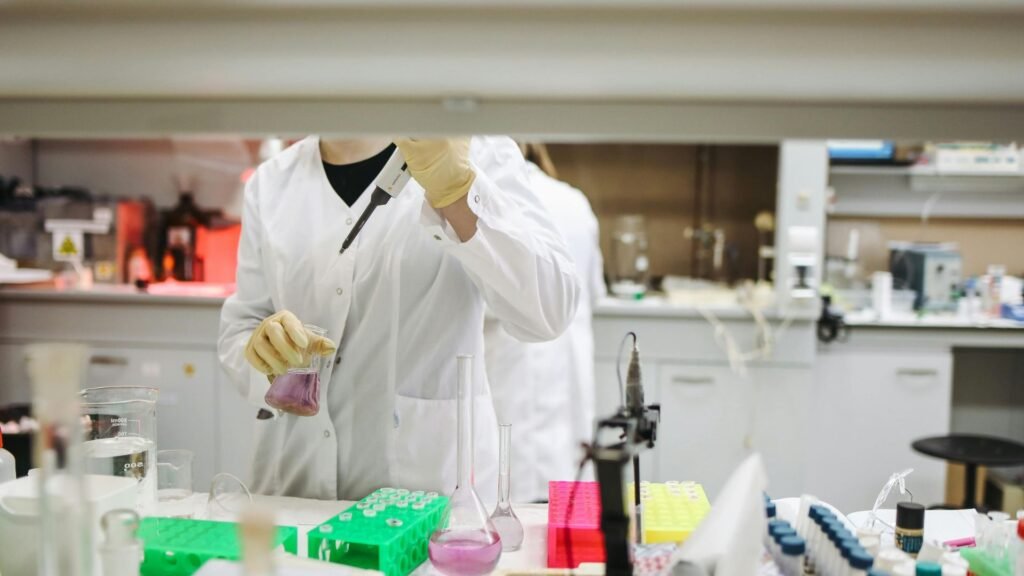
Vaccine trials follow systematic phases that build upon each other to establish comprehensive safety and effectiveness data before regulatory approval and public use.
Preclinical testing occurs before human vaccine trials begin, using laboratory studies and animal testing to establish basic safety profiles and immune responses. These preliminary studies identify promising vaccine candidates and eliminate approaches that show concerning safety signals.
Phase 1
Phase 1 vaccine trials focus primarily on safety testing in small groups of 20-100 healthy volunteers. These initial human studies establish safe dosage ranges, identify side effects, and measure basic immune responses to confirm that vaccines stimulate appropriate immunity.
Phase 1 trials typically test different dose levels to identify optimal amounts that provide good immune responses without excessive side effects. Participants receive careful monitoring for immediate reactions and longer-term safety concerns.
Phase 2
Phase 2 vaccine trials expand testing to hundreds of participants to further evaluate safety while gathering more detailed information about immune responses. These studies often test vaccines in different age groups or populations to understand how immunity varies across demographics.
Phase 2 trials may compare different vaccine formulations, dosing schedules, or delivery methods to optimize effectiveness. Researchers measure antibody levels, cellular immune responses, and duration of immunity to guide final vaccine development.
Phase 3
Phase 3 vaccine trials represent the definitive effectiveness studies involving thousands or tens of thousands of participants. These large-scale trials compare vaccination to a placebo to determine whether vaccines actually prevent disease in real-world settings.
Phase 3 trials require extended follow-up periods to detect rare side effects and measure how long vaccine protection lasts. Participants receive monitoring for both immediate and delayed reactions while researchers track disease occurrence in vaccinated versus unvaccinated groups.
Phase 4
Phase 4 studies continue monitoring after vaccine approval to detect very rare side effects and evaluate long-term protection in millions of vaccinated individuals. These post-marketing studies ensure ongoing safety surveillance as vaccines reach widespread use.
Types of Vaccine Studies
Vaccine trials encompass various study designs that address different aspects of vaccine development, from basic immune responses to real-world effectiveness in diverse populations.
- Preventive vaccine trials test immunizations designed to prevent infectious diseases in healthy individuals. These studies represent the majority of vaccine research and focus on diseases like influenza, pneumonia, meningitis, and emerging viral threats.
- Therapeutic vaccine trials test immunizations designed to treat existing infections or diseases rather than prevent them. These studies might test vaccines for chronic conditions like hepatitis B or therapeutic approaches for cancer treatment.
- Universal vaccine trials test immunizations designed to provide broad protection against multiple strains of rapidly changing pathogens like influenza viruses. These studies aim to develop vaccines that wouldn’t require annual updates.
- Pandemic preparedness trials test vaccines against potential future threats, including novel influenza strains, coronaviruses, or bioterrorism agents. These studies help ensure rapid response capabilities when new infectious disease threats emerge.
- Combination vaccine trials test immunizations that protect against multiple diseases simultaneously, like the measles-mumps-rubella vaccine. These studies evaluate whether combined vaccines provide equivalent protection to individual immunizations.
- Booster studies test additional vaccine doses designed to maintain or enhance immunity over time. These trials determine optimal timing for booster vaccinations and whether modified vaccines provide better long-term protection.
Participant Safety in Vaccine Trials
Vaccine trials implement comprehensive safety monitoring systems that exceed protections used in most other clinical research because studies involve healthy volunteers who don’t directly benefit from experimental treatments.
Informed consent processes for vaccine trials provide detailed information about potential risks, expected side effects, and study procedures. Participants receive extensive education about vaccine mechanisms, monitoring requirements, and their rights throughout participation.
Safety monitoring boards composed of independent experts review ongoing trial data to identify concerning safety patterns and recommend study modifications or termination if risks become unacceptable.
Immediate reaction monitoring occurs at study sites for at least 30 minutes after vaccination to detect allergic reactions or other immediate side effects. Participants receive emergency medical care if serious reactions occur.
Extended safety follow-up continues for weeks or months after vaccination to detect delayed side effects or immune system reactions that might not appear immediately after immunization.
Adverse event reporting systems track all health problems that occur during vaccine trials, regardless of whether they seem related to vaccination. This comprehensive monitoring helps identify rare side effects that might not be apparent in smaller studies.
Data safety monitoring boards regularly review accumulating safety and effectiveness data to ensure that trials continue only when benefits outweigh risks for participants and future vaccine recipients.
Immune Response Measurement
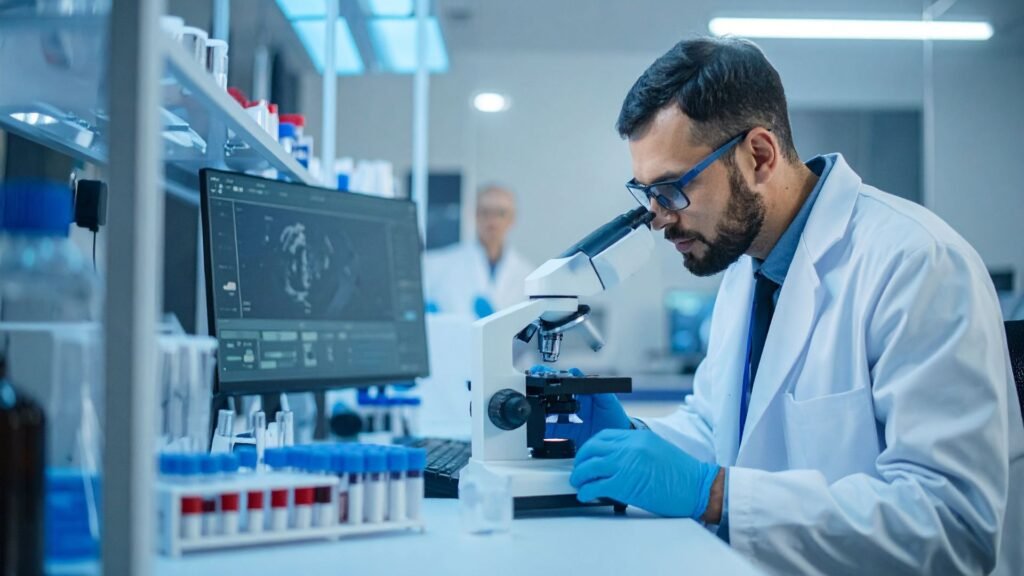
Vaccine trials use sophisticated laboratory testing to measure immune responses and determine whether vaccines provide adequate protection against targeted diseases.
Antibody testing measures blood protein levels that indicate immune system recognition and response to vaccines. These tests help determine whether vaccines stimulate protective immunity and how long protection lasts.
Cellular immunity testing evaluates white blood cell responses that provide additional protection beyond antibodies. These more complex tests help researchers understand complete immune responses to vaccination.
Neutralization assays test whether vaccine-induced antibodies can actually prevent disease-causing organisms from infecting cells in laboratory studies. These tests provide evidence that immune responses translate to real-world protection.
Immunological memory testing evaluates whether vaccines create lasting immune system memory that enables rapid responses to future exposures. This testing helps determine optimal booster vaccination schedules.
Correlates of protection research identifies specific immune response levels that predict vaccine effectiveness. These studies help establish laboratory markers that can predict protection without requiring large-scale disease prevention trials.
Special Populations and Vaccine Testing
Vaccine trials must eventually test immunizations in diverse populations to ensure safety and effectiveness across different age groups, health conditions, and genetic backgrounds.
Pediatric vaccine trials test immunizations in children using modified study designs that account for developing immune systems and different safety considerations. These studies often occur after adult trials demonstrate basic safety.
- Elderly population studies test vaccines in older adults whose immune systems may respond differently to vaccination. These trials often require larger sample sizes to demonstrate effectiveness in populations with weaker immune responses.
- Immunocompromised population studies test vaccine safety and effectiveness in people with conditions or medications that affect immune system function. These specialized trials help determine whether vaccines work in vulnerable populations who need protection most.
- Pregnancy studies evaluate vaccine safety during pregnancy and measure whether vaccination provides protection to newborns through maternal antibodies. These studies require special safety monitoring for both mothers and babies.
- International studies test vaccines in diverse genetic populations and geographic regions to ensure broad effectiveness. These trials may identify population-specific immune responses or safety concerns that affect vaccine use recommendations.
Community Benefits of Vaccine Research
Vaccine trials provide benefits that extend far beyond individual participants to create community-wide protection through herd immunity and disease prevention.
Disease eradication becomes possible when vaccine trials develop highly effective immunizations that can eliminate infectious diseases from entire populations. Smallpox eradication represents the greatest success of systematic vaccine development and deployment.
Outbreak prevention relies on vaccine trials that develop immunizations before disease threats become widespread. Rapid vaccine development capabilities demonstrated during the COVID-19 pandemic provide models for responding to future infectious disease emergencies.
Vulnerable population protection occurs when widespread vaccination prevents disease transmission to people who cannot be vaccinated due to medical conditions or immune system problems.
Healthcare system protection results from vaccines that prevent hospitalizations and reduce strain on medical facilities during infectious disease outbreaks or seasonal epidemics.
Economic benefits from vaccine trials include reduced healthcare costs, decreased work absences, and prevention of economic disruptions caused by infectious disease outbreaks.
Regulatory Oversight and Approval
Vaccine trials operate under strict regulatory oversight that ensures safety standards and scientific rigor throughout development and approval processes.
FDA oversight includes review of trial protocols, safety data, and effectiveness results before approving vaccines for public use. Regulatory agencies evaluate complete trial data packages rather than relying on company summaries.
Advisory committee reviews provide an independent expert evaluation of vaccine trial data before regulatory decisions. These public meetings allow the scientific community input and a transparent evaluation of evidence.
International regulatory coordination ensures that vaccine approvals meet consistent safety and effectiveness standards across different countries and regulatory systems.
Post-approval surveillance continues monitoring vaccine safety and effectiveness after approval through national surveillance systems that track immunization outcomes in millions of people.
At Valiance Clinical Research, we conduct vaccine trials with deep appreciation for participants’ contributions to protecting community health. Our experienced research teams provide comprehensive safety monitoring while maintaining scientific rigor that advances vaccine development.
Vaccine trials represent collective investments in community health protection that require volunteers willing to contribute to research benefiting everyone. Understanding these studies helps people make informed decisions about participation while appreciating the careful science behind immunizations that prevent infectious diseases and save countless lives worldwide.
Whether individuals participate directly or benefit from others’ research contributions, vaccine trials remain essential for maintaining and improving the immunizations that protect global health and prevent infectious disease outbreaks that could affect entire populations.