
The Financial Side of Clinical Trials: A Complete Guide
Free medical care clinical trials offer significant financial benefits to participants by providing experimental treatments, comprehensive medical monitoring, and specialized healthcare at no cost. These studies can provide access to cutting-edge therapies that might otherwise cost thousands of dollars per month, along with expert medical care that exceeds routine healthcare in scope and frequency.
Free medical care clinical trials represent one of the most compelling reasons people consider research participation, especially when facing serious medical conditions with limited treatment options or expensive standard therapies. Understanding exactly what medical care is provided free and what potential costs you might face helps you make informed decisions about research participation.

What Medical Care Is Provided Free
Free medical care clinical trials include comprehensive coverage for all research-related medical services, treatments, and procedures that are part of the study protocol.
Experimental treatments represent the most valuable component of free medical care clinical trials, often providing access to medications or therapies that cost tens of thousands of dollars if purchased commercially or aren’t available outside research settings.
What Medical Care Is Provided Free
Free medical care clinical trials include comprehensive coverage for all research-related medical services, treatments, and procedures that are part of the study protocol.
Experimental treatments represent the most valuable component of free medical care clinical trials, often providing access to medications or therapies that cost tens of thousands of dollars if purchased commercially or aren’t available outside research settings.
Medical care typically provided free in clinical trials:
- All experimental drugs, devices, or procedures being studied
- Research-related medical consultations and examinations
- Laboratory tests and diagnostic imaging required by study protocols
- Safety monitoring visits and assessments
- Treatment of side effects caused by experimental therapies
Study medications are provided at no cost throughout your participation, regardless of their commercial value. Some experimental cancer drugs cost $10,000-15,000 per month when available commercially, yet participants receive them free through research studies.
Research procedures including specialized blood tests, advanced imaging studies, genetic testing, and experimental procedures are provided without charge when required by study protocols.
Expert medical care from specialists and researchers represents another significant benefit of free medical care clinical trials. Participants often receive attention from leading experts in their medical conditions who might otherwise be inaccessible due to cost or availability.

Types of Studies and Cost Coverage
Free medical care clinical trials vary in the scope and duration of medical care provided, depending on study phase, therapeutic area, and research objectives.
Early-phase clinical trials often provide the most comprehensive free medical care clinical trials coverage because they involve intensive safety monitoring and frequent medical assessments throughout participation.
Study types and medical care coverage:
- Phase 1 trials: Comprehensive medical monitoring and safety assessments
- Phase 3 trials: Experimental treatments plus standard research procedures
- Prevention trials: Long-term monitoring and preventive interventions
- Device studies: Equipment provision plus related medical care
- Cancer trials: Often extensive treatment and supportive care coverage
Cancer clinical trials frequently provide the most extensive free medical care clinical trials benefits because cancer treatments are expensive and participants often need comprehensive supportive care throughout treatment.
Prevention studies may provide free medical care clinical trials coverage for screening tests, monitoring visits, and interventions that might not be covered by insurance for healthy individuals at risk for disease.
Device studies provide free access to medical equipment that might cost thousands of dollars to purchase or rent, plus all medical care related to device implantation, monitoring, and management.

Routine Medical Care Considerations
Free medical care clinical trials typically don’t include routine medical care unrelated to the research study, which remains the responsibility of participants and their insurance coverage.
Ongoing management of chronic conditions unrelated to the study continues to require insurance coverage or personal payment, though research teams coordinate carefully to avoid conflicts with study treatments.
Routine care that may require separate coverage:
- Management of pre-existing conditions unrelated to the study
- Routine preventive care and health maintenance
- Prescription medications not being studied in the research
- Emergency medical care for conditions unrelated to study participation
- Specialist consultations for medical problems outside the research focus
Insurance coordination becomes important for participants in free medical care clinical trials to ensure that routine medical care continues smoothly while research-related care is provided by study sponsors.
The distinction between research-related and routine care sometimes creates gray areas that require coordination between research teams, participants, and insurance companies to ensure appropriate coverage.
Research teams typically provide clear guidance about which medical care is covered by the study and which requires insurance coverage or personal payment.
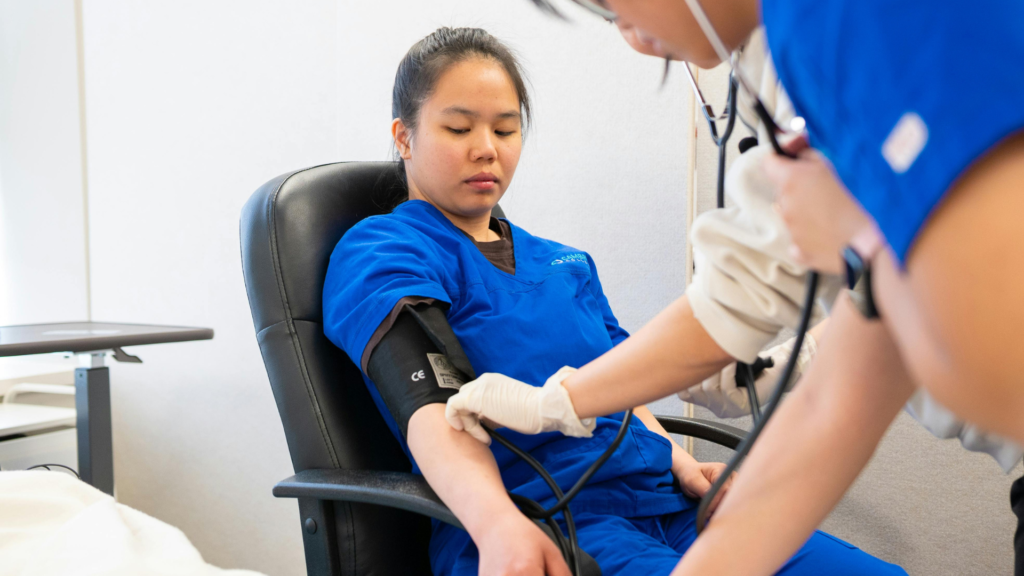
Financial Benefits Analysis
Free medical care clinical trials can provide substantial financial benefits that extend beyond the immediate value of experimental treatments to include comprehensive medical monitoring and expert care.
The total value of free medical care clinical trials often exceeds the cost of standard medical care by providing more frequent monitoring, specialized testing, and access to expert physicians.
Financial benefits of free medical care clinical trials:
- Access to expensive experimental treatments at no cost
- Comprehensive medical monitoring that exceeds routine care
- Expert physician consultations and specialized medical attention
- Advanced diagnostic testing and imaging studies
- Potential compensation for time and travel expenses
Medical monitoring in free medical care clinical trials typically includes more frequent visits, detailed laboratory testing, and comprehensive health assessments that provide better medical surveillance than routine healthcare.
Access to specialists and expert medical care through free medical care clinical trials can provide consultations and treatments that might be financially inaccessible or have long waiting lists in standard healthcare.
Some studies provide additional financial benefits including compensation for participation, travel reimbursement, and coverage for expenses like parking and meals during study visits.

Potential Costs and Expenses
Free medical care clinical trials may involve some costs that aren’t covered by research sponsors, primarily related to transportation, time, and routine medical care outside the study.
Transportation costs represent the most common expense for participants in free medical care clinical trials, including travel to study sites, parking fees, and potentially overnight accommodations for distant participants.
Potential costs in free medical care clinical trials:
- Transportation to and from study visits
- Parking fees at research facilities
- Meals during lengthy study visits
- Childcare expenses during research appointments
- Lost wages from time away from work
Lost wages can represent significant costs for participants in free medical care clinical trials, especially for studies requiring frequent visits or lengthy procedures during work hours.
Routine medical care costs continue for conditions unrelated to the research study, requiring ongoing insurance coverage or personal payment for standard healthcare needs.
Emergency medical care costs may arise if participants experience medical problems unrelated to the research study, which typically fall under standard insurance coverage rather than study sponsorship.

Insurance Interactions
Free medical care clinical trials interact with insurance coverage in complex ways that require coordination between research teams, participants, and insurance companies.
Insurance companies typically continue covering routine medical care for participants in free medical care clinical trials while study sponsors cover all research-related medical expenses.
Insurance considerations for free medical care clinical trials:
- Coordination between study sponsors and insurance companies
- Clear documentation of which care is research-related versus routine
- Prior authorization requirements for expensive routine care
- Coverage verification before study enrollment
- Appeals processes when coverage disputes arise
Prior authorization from insurance companies may be required for expensive routine medical care during participation in free medical care clinical trials, particularly for procedures that exceed normal care patterns.
Coverage verification before enrolling in free medical care clinical trials helps identify potential insurance issues and ensures that routine medical care will continue without interruption.
Research coordinators often assist participants with insurance coordination, providing documentation and support for coverage decisions related to routine medical care during study participation.

Eligibility and Access
Free medical care clinical trials have eligibility criteria that determine who can access the free medical care and treatments provided through research participation.
Medical eligibility requirements ensure that participants have the conditions being studied and can safely receive experimental treatments provided through free medical care clinical trials.
Factors affecting access to free medical care clinical trials:
- Medical diagnosis and condition severity matching study requirements
- Geographic proximity to research sites offering studies
- Insurance coverage for routine medical care during participation
- Ability to comply with study visit schedules and requirements
- Availability of transportation and support for research participation
Geographic location affects access to free medical care clinical trials because research sites are concentrated in certain areas, potentially requiring travel for participation.
Study availability varies by medical condition, with some diseases having many research options while rare conditions may have limited opportunities for free medical care clinical trials.
Timing considerations affect access because studies open and close enrollment based on recruitment goals and study timelines, requiring prompt decision-making when opportunities arise.
Long-term Financial Planning
Free medical care clinical trials require consideration of long-term financial implications, including what happens when studies end and how to transition back to standard medical care.
Post-study treatment access may be available through expanded access programs or early approval mechanisms that continue providing experimental treatments after study completion.
Long-term financial considerations:
- Treatment continuation options when studies end
- Transition planning back to standard medical care
- Insurance coverage for approved treatments that emerge from research
- Long-term follow-up care requirements and coverage
- Planning for potential medical expenses after study completion
Treatment transitions require planning for how to continue beneficial treatments when free medical care clinical trials end, potentially involving insurance coverage for newly approved therapies.
Follow-up care requirements may continue for months or years after active participation in free medical care clinical trials, though this ongoing monitoring is typically provided free by research sponsors.
Insurance coverage for treatments that receive approval based on clinical trial results may take time to establish, potentially creating temporary gaps that require financial planning.
Maximizing Benefits
Free medical care clinical trials provide maximum benefit when participants understand how to navigate the system effectively and take advantage of all available resources and support.
Research team communication ensures that participants understand exactly what medical care is provided free and how to access all available services and support throughout study participation.
Strategies for maximizing free medical care clinical trials benefits:
- Clear communication with research teams about coverage and benefits
- Coordination with insurance companies for routine medical care
- Taking advantage of all study-provided services and monitoring
- Understanding compensation and reimbursement opportunities
- Planning for treatment transitions and long-term care needs
Documentation of all medical care received through free medical care clinical trials helps with insurance coordination and provides records for future medical care providers.
Advocacy for appropriate coverage ensures that insurance companies cover routine medical care while research sponsors handle all study-related expenses appropriately.
At Valiance Clinical Research, we believe that financial barriers should never prevent access to potentially life-changing research opportunities. Our free medical care clinical trials provide comprehensive coverage for all research-related medical expenses while supporting participants through insurance coordination and financial planning.
Our community-based approach across 6 Southern California locations makes free medical care clinical trials accessible without the travel burdens that can create additional costs for research participation.
We provide clear communication about all aspects of financial coverage and work closely with participants to ensure they understand and can access all benefits available through research participation.
Conclusion
Free medical care clinical trials provide substantial financial benefits through comprehensive coverage of experimental treatments, research procedures, and specialized medical care that often exceeds the scope and value of routine healthcare. These benefits can make research participation financially advantageous while providing access to innovative treatments.
Understanding the financial aspects of free medical care clinical trials helps participants make informed decisions about research opportunities while planning appropriately for any costs that aren’t covered by study sponsorship.
Consider the total financial picture when evaluating clinical trial opportunities, including both the substantial benefits of free experimental treatments and monitoring as well as potential costs for routine care and participation expenses.
Contact Valiance Clinical Research to learn about the comprehensive financial benefits available in current studies and how our support services help participants maximize the value of research participation while minimizing any financial barriers to accessing important research opportunities.