
Age Is Not a Barrier: Clinical Research Opportunities for Seniors
Elderly in clinical trials have historically been underrepresented in medical research, despite representing the demographic most likely to use the treatments being studied. This underrepresentation has led to gaps in knowledge about how medications and therapies work in older adults, creating missed opportunities for treatments specifically designed for age-related health challenges.
Elderly in clinical trials can safely participate in research when studies are designed with appropriate safeguards and considerations for the unique health characteristics of older adults. Modern clinical research increasingly recognizes the importance of including seniors to ensure that treatments work effectively across all age groups who will use them.

The Importance of Senior Participation
Elderly in clinical trials provide essential data about how treatments work in the populations most likely to need them. Many medications are prescribed primarily to older adults, yet much of the safety and effectiveness data comes from studies conducted in younger participants.
Age-related physiological changes affect how medications are absorbed, distributed, metabolized, and eliminated from the body. Kidney function typically declines with age, liver metabolism may slow, and body composition changes can alter drug distribution. These factors mean that treatments may work differently in older adults than in younger study participants.
Key reasons why elderly in clinical trials matter:
- Older adults use the majority of prescription medications in healthcare
- Age-related diseases require treatments tested in relevant populations
- Drug interactions are more complex in seniors taking multiple medications
- Quality of life measures may differ between age groups
- Safety profiles can vary significantly with advanced age
Multiple chronic conditions, known as comorbidities, are common among older adults and may affect how treatments work or interact with existing therapies. Elderly in clinical trials help researchers understand these complex interactions that don’t exist in younger, healthier study populations.
Cognitive considerations become increasingly important as people age, affecting both the ability to provide informed consent and the assessment of treatment effects. Research with elderly participants requires specialized approaches to consent and outcome measurement.

Age-Specific Research Considerations
Elderly in clinical trials require modified research approaches that account for the unique characteristics and health needs of older adult populations.
Inclusion and exclusion criteria for studies involving elderly participants must balance safety concerns with the need for representative populations. Overly restrictive criteria that exclude older adults with common health conditions may limit the applicability of research findings.
Special considerations for elderly in clinical trials include:
- Assessment of cognitive function and decision-making capacity
- Evaluation of multiple medications and potential drug interactions
- Consideration of functional status and independence levels
- Assessment of social support systems and caregiver availability
- Evaluation of transportation and mobility challenges
Dosing considerations for elderly in clinical trials often require starting with lower doses and slower titration schedules to account for age-related changes in drug metabolism and increased sensitivity to side effects.
Outcome measures for elderly participants may emphasize functional independence, quality of life, and cognitive preservation rather than just traditional clinical endpoints. These patient-centered outcomes often matter more to older adults than laboratory values or imaging results.
Safety monitoring for elderly in clinical trials requires enhanced attention to medication interactions, falls risk, cognitive changes, and other age-related safety concerns that may be less relevant in younger populations.

Common Research Areas for Seniors
Elderly in clinical trials participate in research addressing the health conditions and concerns most relevant to aging populations, from chronic disease management to cognitive health preservation.
Major research areas involving elderly participants include:
- Alzheimer’s disease and cognitive decline prevention or treatment
- Cardiovascular disease management and prevention in older adults
- Cancer treatments designed specifically for older patient populations
- Osteoporosis and fracture prevention studies
- Depression and mental health interventions for seniors
Alzheimer’s and dementia research represents one of the largest areas for elderly in clinical trials. These studies test treatments to prevent cognitive decline, slow disease progression, or improve quality of life for patients and caregivers.
Cardiovascular research in elderly populations focuses on heart disease and stroke prevention, blood pressure management, and treatment of conditions like atrial fibrillation that become more common with age.
Cancer research involving elderly participants addresses the reality that cancer incidence increases with age, yet many cancer treatments are tested primarily in younger adults. Senior-specific oncology research examines modified treatment approaches that account for age-related factors.
Prevention studies for elderly in clinical trials test interventions that might prevent falls, maintain independence, preserve cognitive function, or reduce the need for nursing home placement.

Safety and Monitoring Protocols
Elderly in clinical trials require enhanced safety monitoring protocols that address the increased vulnerability and complex health profiles typical of older adult populations.
Medication interaction screening becomes particularly important for elderly participants who often take multiple prescription drugs, over-the-counter medications, and supplements. Research teams must carefully evaluate all medications for potential interactions with study treatments.
Enhanced safety measures for elderly in clinical trials include:
- More frequent safety assessments and medical evaluations
- Careful monitoring for medication side effects and interactions
- Assessment of cognitive function throughout study participation
- Evaluation of functional status and independence levels
- Coordination with primary care physicians and specialists
Falls prevention protocols are essential for elderly in clinical trials because many treatments can affect balance, blood pressure, or alertness in ways that increase fall risk. Studies involving seniors often include specific falls assessment and prevention measures.
Cognitive monitoring throughout study participation ensures that elderly participants maintain the capacity to continue providing informed consent and understanding study requirements. Regular cognitive assessments help identify any treatment-related changes.
Emergency contact systems for elderly in clinical trials often include multiple contacts and may involve adult children or caregivers who can provide assistance if needed. Clear emergency protocols ensure rapid response to any safety concerns.

Informed Consent Considerations
Elderly in clinical trials require careful attention to the informed consent process to ensure understanding while respecting autonomy and decision-making capacity.
Cognitive assessment before enrollment helps determine whether elderly participants have the capacity to provide informed consent independently. This assessment must be conducted sensitively and respectfully while ensuring participant protection.
Elements of informed consent for elderly participants include:
- Assessment of decision-making capacity using standardized tools
- Additional time for discussion and consideration of participation
- Involvement of family members or caregivers when appropriate and desired
- Clear explanation of study procedures in easily understood language
- Regular reassessment of consent throughout study participation
Family involvement in the consent process for elderly in clinical trials must balance participant autonomy with practical support needs. Some older adults benefit from having trusted family members help evaluate research opportunities while maintaining their right to make independent decisions.
Simplified consent documents may be helpful for elderly in clinical trials, using clear language, larger fonts, and visual aids to enhance understanding. However, simplification must not compromise the completeness of essential information.
Ongoing consent verification ensures that elderly participants continue understanding their participation as studies progress and their health status potentially changes. Research teams regularly check understanding and answer new questions.
Addressing Common Barriers
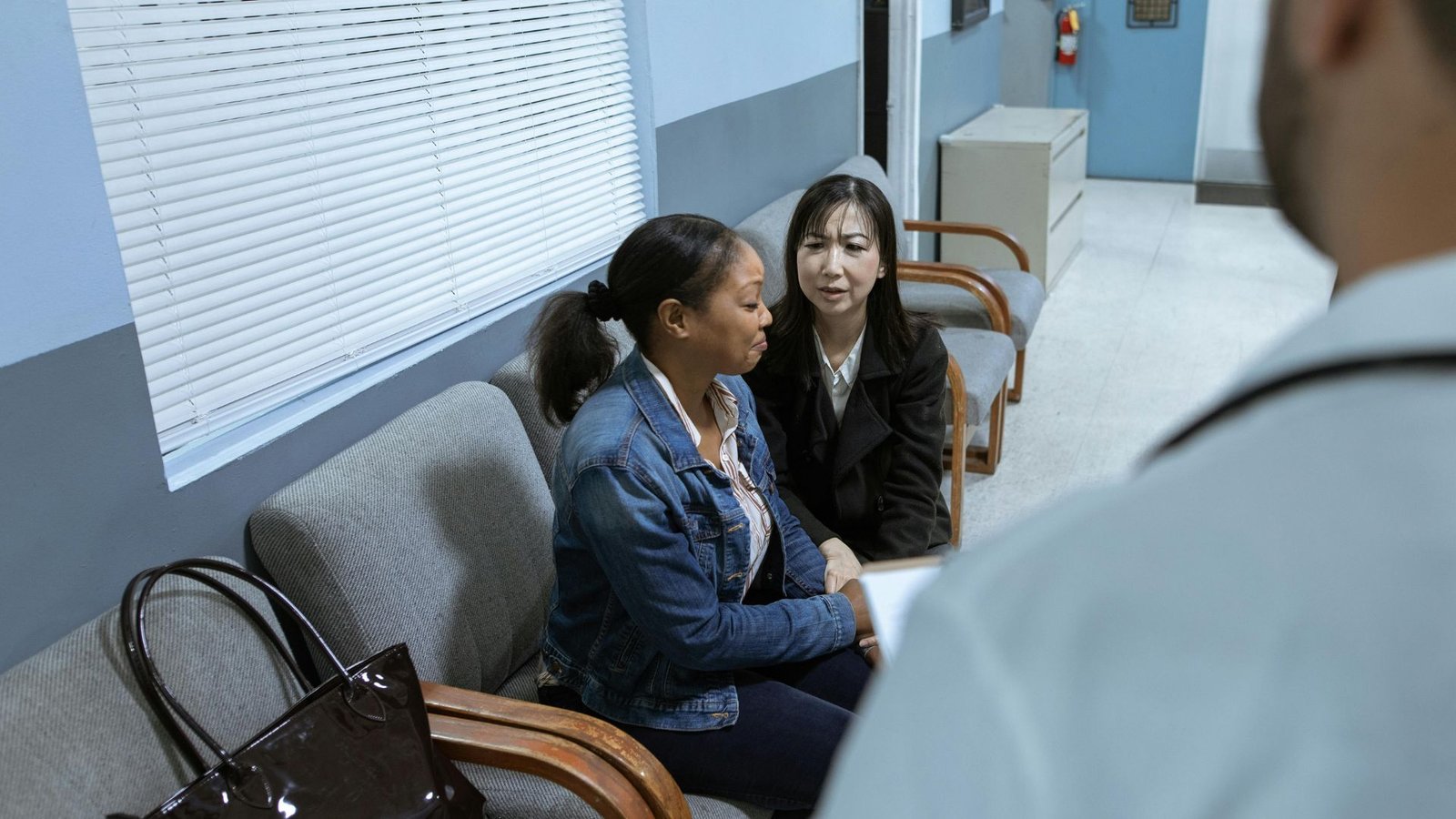
Elderly in clinical trials face specific barriers to participation that research teams work to address through targeted support and accommodation strategies.
Transportation challenges affect many older adults who may no longer drive or have limited mobility. Studies involving elderly participants often provide transportation assistance, home visits, or partnerships with local transportation services.
Common barriers and solutions for elderly in clinical trials:
- Transportation: Rideshare partnerships, mobile research units, home visits
- Technology: Simplified devices, tech support, alternative communication methods
- Health complexity: Coordinated care, flexible scheduling, comprehensive assessments
- Social isolation: Family involvement, peer support, community partnerships
Technology barriers may prevent some elderly individuals from participating in trials that rely heavily on smartphone apps or complex devices. Research teams provide technology training and support or offer alternative participation methods.
Healthcare coordination becomes more complex for elderly in clinical trials who typically see multiple specialists and take numerous medications. Research teams work closely with existing healthcare providers to ensure coordinated care.
Social support assessment helps identify elderly participants who may need additional assistance with transportation, medication management, or understanding study requirements. Studies often provide enhanced support services for participants with limited social networks.
Benefits of Research Participation for Seniors
Elderly in clinical trials often experience benefits beyond potential treatment effects, including enhanced medical monitoring, social interaction, and sense of purpose through contributing to medical advancement.
Enhanced medical attention through clinical trial participation provides elderly participants with regular health assessments, laboratory monitoring, and access to medical specialists that may exceed their routine healthcare.
Potential benefits for elderly in clinical trials include:
- Access to innovative treatments before they become widely available
- Comprehensive medical monitoring and regular health assessments
- Expert medical care from specialists in age-related conditions
- Social interaction with research staff and other participants
- Sense of purpose through contribution to medical research
Educational benefits arise from the detailed health information and medical education that elderly participants receive during clinical trials. Many seniors value learning about their conditions and treatment options.
Social benefits may be particularly important for elderly in clinical trials who experience isolation or have limited social interactions. Regular study visits provide meaningful social contact with healthcare professionals and potentially other participants.
Quality of life improvements may result from the comprehensive care, attention to symptoms, and focus on functional outcomes that characterize well-designed elderly research studies.
Age-Inclusive Research Design
Elderly in clinical trials benefit when studies are designed from the beginning to be age-inclusive rather than treating senior participation as an afterthought or special accommodation.
Age-stratified analysis plans ensure that research results include specific information about how treatments work in different age groups. These analyses help identify whether older adults respond differently than younger participants.
Elements of age-inclusive research design:
- Flexible eligibility criteria that don’t unnecessarily exclude older adults
- Age-appropriate outcome measures that matter to senior participants
- Consideration of age-related factors in study procedures and timing
- Plans for age-specific safety monitoring and data analysis
- Accommodation for age-related physical or cognitive changes
Geriatric medicine expertise on research teams helps ensure that studies involving elderly participants address age-specific health considerations appropriately. Geriatricians understand the complexities of aging and can guide age-appropriate research design.
Community partnerships with senior centers, retirement communities, and aging services organizations help researchers reach diverse elderly populations and provide support for participation.
At Valiance Clinical Research, we welcome elderly participants and understand the unique considerations involved in research with older adults. Our community-based approach across 6 Southern California locations makes research accessible to seniors while providing the enhanced support and monitoring they may need.
Our experienced research teams include professionals trained in geriatric medicine who understand how to conduct safe, effective research with elderly participants. We work closely with families and existing healthcare providers to ensure coordinated, comprehensive care.
Conclusion
Elderly in clinical trials represent an essential and often underrepresented population whose participation is crucial for developing treatments that work effectively across all age groups. Age alone should not be a barrier to research participation when appropriate safeguards and support systems are in place.
Research opportunities for seniors continue expanding as the medical community recognizes the importance of age-inclusive studies and the unique contributions that elderly participants make to medical advancement. Modern clinical trials increasingly design studies with older adults in mind from the beginning.
Consider clinical research opportunities as potential ways to access innovative treatments, contribute to medical knowledge, and receive enhanced medical monitoring while helping develop better treatments for aging-related health conditions.
Contact Valiance Clinical Research to learn about current research opportunities for seniors and how our age-inclusive approach ensures safe, supportive, and meaningful research participation that contributes to better healthcare for all older adults.