
Liver Disease Study
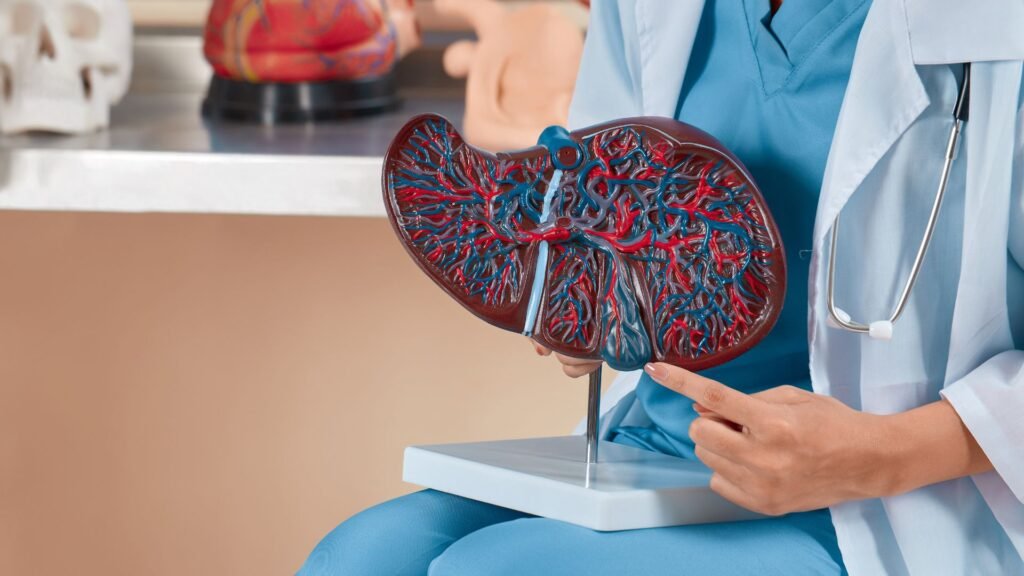
Join our liver disease research study in Tarzana, CA. Receive $50-$250 per visit,
free medical care, and free transportation. Now enrolling adults 18+ with NASH or MASH diagnosis. Call 818-938-9167.
The ‘Guinea Pig’ Myth: Why Clinical Trial Participants Are Partners, Not Subjects

Guinea pig clinical trials terminology suggests helpless subjects being experimented on. Modern trials operate as partnerships with informed consent, withdrawal rights, independent oversight protecting participants, and mutual respect between researchers and volunteers contributing to medical advancement.
Understanding Placebos: Why They’re Rarely Used Alone in Modern Trials

Placebo in clinical trials serves scientific purposes but modern ethics limit standalone use. Learn about add-on designs where everyone receives standard treatment, active comparator trials eliminating placebos entirely, when standalone placebos still appear, and crossover designs guaranteeing active treatment.
Debunking the Placebo Myth: What You Actually Receive in Clinical Trials

Clinical trial misconceptions about placebos prevent participation in medical research. This guide explains when placebos are used versus prohibited, placebo-plus-standard-care designs, why they’re banned for serious conditions, blinding versus placebo differences, and evaluating placebo trials based on facts.
Voluntary Participation: 10 Essential Questions to Ask Before Joining a Clinical Trial

Clinical trial consent form understanding requires asking the right questions before signing. This guide covers 10 essential questions about what’s being tested, required procedures and time commitment, all possible risks and potential benefits, available alternatives, costs and compensation, privacy protections, withdrawal rights, emergency protocols, and how you’ll learn results. Learn red flags to watch for during consent discussions and your protected rights throughout the decision-making process.
7 Common Myths About Clinical Trials (And The Real Truth)

Clinical trial myths prevent qualified people from considering participation in medical research. This guide debunks seven common misconceptions including fears about being a guinea pig, always receiving placebos, trials only for terminal illness, researchers not caring about safety, being trapped once enrolled, trials as free healthcare, and excessive time commitments. Learn the real truth about modern clinical research protections, voluntary participation rights, and what trials actually involve.
Voluntary Participation: Understanding Your Right to Withdraw at Any Time
Withdrawing from clinical trial participation is a federally protected right allowing you to leave at any time for any reason without penalty. This guide explains the legal foundation of voluntary participation, common reasons people withdraw, the practical process of leaving a trial, what happens to compensation and medical care coverage, impact on your regular healthcare, continued monitoring options, when researchers can remove you, and how this right emerged from historical ethical failures in research.
High Blood Pressure Study

Join our hypertension research study in Tarzana, CA. Receive $50-$250 per visit,
free medical care, and free transportation. Now enrolling adults 18+ with CVD or
high blood pressure. Call 818-938-9167.
Can You Leave a Clinical Trial? Everything About Participant Rights

Can you leave a clinical trial at any time? Yes, federal regulations guarantee your right to withdraw from any clinical trial at any point without penalty, explanation, or effect on your regular medical care. This guide explains the legal foundation of voluntary participation, how withdrawal actually works, what happens to your data and medical care after leaving, reasons people withdraw, when investigators may remove you, and your continuing rights to information and privacy after participation ends.
Your Rights as a Clinical Trial Participant: What You Need to Know

Clinical trial participant rights are legally protected under federal regulations. This guide explains your right to comprehensive informed consent, voluntary participation with no-penalty withdrawal, HIPAA privacy protections for medical information, appropriate safety standards and emergency care access, financial protections against unexpected costs, access to study results, and reporting mechanisms when rights are violated.