
Balancing Life and Clinical Trials: Practical Tips from Participants
Clinical trial participant testimonials reveal that successful research participation requires practical strategies for integrating study requirements into existing life responsibilities. Experienced participants have developed proven approaches for managing medication schedules, appointment logistics, family coordination, and workplace adjustments that make clinical trials manageable alongside daily life demands.
These clinical trial participant testimonials come from people who have successfully completed studies while maintaining their careers, family relationships, and personal commitments. Their insights provide realistic guidance for anyone considering research participation or currently struggling to balance trial requirements with other life priorities.
Time Management Strategies
Clinical trial participant testimonials consistently emphasize the importance of detailed planning and organization for managing research participation alongside other commitments. Sarah, who completed an 18-month diabetes prevention trial while working full-time and caring for elderly parents, developed a comprehensive scheduling system that prevented conflicts and reduced stress.
“I use three different calendars,” Sarah explains in her testimonial. “My work calendar blocks out study visits as medical appointments. My family calendar shows when I might be tired from procedures or need help with responsibilities. My personal calendar tracks medication timing and symptom monitoring requirements.”
Sarah’s approach involves scheduling study visits during her least busy work periods when possible, typically early mornings or late afternoons. She blocks out recovery time after procedures that might cause fatigue or side effects, ensuring she doesn’t overschedule herself on visit days.
Clinical trial participant testimonials reveal that successful participants plan study requirements weeks in advance rather than trying to accommodate them last-minute. Mark, a construction supervisor who participated in a heart failure trial, scheduled all study visits during his company’s slower seasons and arranged coverage for essential job responsibilities.
“The research coordinator gave me a complete visit schedule at enrollment,” Mark shares. “I put every appointment in my work calendar immediately and requested those days off six months ahead. My supervisor appreciated the advance notice and could plan projects around my medical needs.”
Time management strategies from clinical trial participant testimonials include building buffer time around study visits for unexpected delays, scheduling demanding work projects during periods when you’re likely to feel your best, and creating backup plans for when side effects interfere with planned activities.
Participants recommend treating study visits with the same priority as important work meetings or family obligations. The research requires consistent participation to generate reliable data, and missed appointments can affect both individual care and overall study outcomes.

Medication Management Systems
Clinical trial participant testimonials reveal that successful medication management requires systems that work reliably even when daily routines change. Linda, who managed complex medication schedules during a cancer immunotherapy trial, developed strategies that prevented missed doses and ensured accurate documentation.
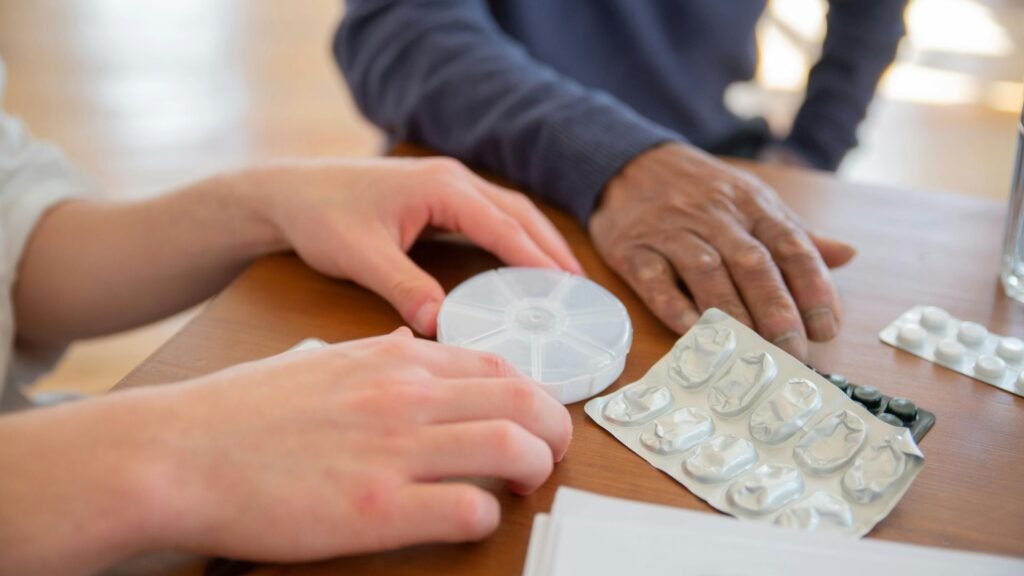
“I use a combination of smartphone alarms, weekly pill organizers, and backup supplies,” Linda explains. “The alarms go off 15 minutes before each dose to give me time to prepare. The pill organizer shows immediately if I’ve missed anything. Backup supplies stay in my car and office for emergencies.”
Linda’s medication management system includes detailed written instructions for each study drug, including timing requirements, food restrictions, and what to do if doses are missed. She keeps these instructions accessible at home, work, and in her purse for quick reference.
Clinical trial participant testimonials emphasize the importance of maintaining consistent medication timing even with changing schedules. Robert, who participated in a Parkinson’s disease study, adjusted his sleep schedule to maintain precise 12-hour intervals between doses regardless of work demands or social activities.
“The medication worked best with exact timing,” Robert notes in his testimonial. “I shifted my bedtime and wake-up times to keep the same dosing schedule even on weekends or during travel. Consistency was more important than convenience.”
Participants recommend involving family members in medication management as backup support. When primary participants are ill, traveling, or dealing with side effects that affect memory, family members can help ensure medications are taken correctly and on time.
Storage requirements for study medications often require special attention. Clinical trial participant testimonials mention using small coolers for medications requiring refrigeration, organizing travel-sized containers for work and car storage, and creating visual reminders for medications with complex storage requirements.
Workplace Communication and Flexibility
Clinical trial participant testimonials reveal that proactive communication with supervisors and colleagues often leads to better workplace support for research participation. James, an accountant who participated in a cardiovascular trial, found that honest discussion about his medical situation created unexpected understanding and flexibility.
“I explained that I was participating in research for a heart condition that could potentially benefit my health and contribute to medical knowledge,” James shares. “My supervisor was very supportive once he understood that this wasn’t just routine medical care but potentially important treatment.”
James negotiated flexible work arrangements that allowed him to make up time lost during study visits by working earlier or later on other days. He also identified colleagues who could cover essential responsibilities during longer appointments or when side effects affected his ability to work.
Clinical trial participant testimonials suggest being specific about study requirements when requesting workplace accommodations. Rather than asking for vague “medical flexibility,” participants recommend explaining the frequency and duration of appointments, potential for emergency visits, and any work limitations that might result from side effects.
Some participants have successfully negotiated remote work options for days when they experience predictable side effects but can still be productive. Others arrange to handle less demanding tasks on days when concentration or energy might be affected by study procedures.
Professional development opportunities can sometimes be timed around study schedules. Clinical trial participant testimonials mention postponing intensive training programs or major projects during periods of frequent study visits or when starting new study medications with unknown side effects.

Family Involvement and Support
Clinical trial participant testimonials consistently highlight the importance of family support for successful research participation. Carol, who participated in a lupus trial while managing household responsibilities for three children, involved her family in ways that created understanding and practical assistance.
“My teenagers helped track my symptoms by noting changes in my energy or mood that I might not notice myself,” Carol explains. “My husband took over meal planning when dietary restrictions became complicated. Everyone understood that study visits were priorities that couldn’t be postponed.”
Family involvement in clinical trial participant testimonials includes practical support like transportation to appointments, help with medication reminders, and assistance with household responsibilities during periods of increased fatigue or side effects.
Children often adapt well to research participation when they understand the importance and timeline of the commitment. Clinical trial participant testimonials mention that age-appropriate explanations help children understand why parents might be tired after certain appointments or need help with activities they usually manage independently.
Meal planning becomes a family collaboration when study protocols include dietary restrictions or requirements. Participants report that involving family members in learning about nutritional requirements creates better compliance and reduces the burden on individual participants.
Emergency planning with family members ensures appropriate responses when concerning side effects occur. Clinical trial participant testimonials emphasize teaching family members when to contact research coordinators, how to access 24-hour study contact numbers, and what information to provide during emergency calls.

Travel and Schedule Flexibility
Clinical trial participant testimonials reveal that travel planning requires more advance coordination and flexibility during research participation. Tom, who traveled frequently for work during a diabetes trial, developed systems for maintaining study requirements while away from his home research site.
“I coordinated with the research coordinator before every business trip,” Tom explains in his testimonial. “They provided extra medication supplies, adjusted visit schedules when possible, and gave me contact information for emergency medical care in other cities.”
Tom’s travel preparations included researching medical facilities near his destination, carrying complete medication lists and study contact information, and planning medication timing around flight schedules and time zone changes.
Clinical trial participant testimonials suggest that vacation planning during research participation requires consideration of study visit schedules, medication storage requirements during travel, and access to medical care if side effects occur away from home.
Some participants have successfully arranged study visits at affiliated research sites in other cities when extended travel is necessary. This requires advance coordination and may not be available for all studies, but research coordinators can often provide referrals to qualified medical professionals in other locations.
International travel during clinical trial participation requires additional planning for medication transport, time zone adjustments, and communication with research teams across different time zones. Clinical trial participant testimonials recommend discussing travel plans with research coordinators well in advance to address potential complications.

Managing Side Effects While Maintaining Responsibilities
Clinical trial participant testimonials provide practical strategies for managing study-related side effects while fulfilling work and family obligations. Patricia, who experienced fatigue during a fibromyalgia trial, learned to predict and plan around her energy patterns.
“I tracked my energy levels for several weeks and noticed that I felt worst two days after study visits and best about five days later,” Patricia shares. “I learned to schedule important meetings and family activities during my high-energy periods and plan rest during predictable low-energy times.”
Patricia’s side effect management included adjusting exercise routines, modifying social commitments, and creating flexible work arrangements that accommodated fluctuating energy levels without compromising professional responsibilities.
Communication with research coordinators about side effect patterns helps optimize study participation while maintaining quality of life. Clinical trial participant testimonials emphasize reporting all symptoms honestly while also discussing strategies for managing side effects that interfere with daily activities.
Workplace productivity strategies during clinical trial participation include identifying tasks that can be completed during periods of reduced energy, scheduling demanding work during times when you typically feel best, and creating backup plans for when side effects are more severe than anticipated.
Long-term Sustainability and Commitment
Clinical trial participant testimonials reveal that maintaining research participation over months or years requires sustainable strategies that can adapt to changing life circumstances. Participants who complete lengthy studies successfully often develop systems that evolve with their needs and study requirements.
Regular evaluation of balancing strategies helps participants adjust their approaches as they learn more about study demands and their personal responses. What works during the first month of participation might need modification as studies progress and life circumstances change.
At Valiance Clinical Research, we support participants in developing personalized strategies for balancing research participation with their unique life demands. Our community-based approach recognizes that successful studies depend on participants who can maintain their commitments while preserving their quality of life.
Clinical trial participant testimonials demonstrate that successful research participation is achievable for people with diverse responsibilities and commitments. The key lies in proactive planning, honest communication, family support, and flexible strategies that adapt to both study requirements and individual needs. These practical insights help future participants prepare for research involvement while maintaining their personal and professional obligations.