
Making Clinical Trials More Accessible: Modern Recruitment Approaches
Clinical trial recruitment has undergone a significant transformation as the research industry recognizes that traditional approaches often exclude entire populations from medical research. Modern recruitment strategies focus on removing barriers that prevent diverse participation while maintaining scientific rigor and regulatory compliance.
The evolution of clinical trial recruitment reflects growing understanding that representative study populations generate better data and lead to treatments that work effectively across all demographic groups. This shift benefits both research quality and public health outcomes.

The Traditional Recruitment Challenge
Historical clinical trial recruitment relied heavily on academic medical centers, physician referrals, and passive recruitment methods that reached limited populations. These approaches typically enrolled participants who were already connected to specialized healthcare systems and had resources to navigate complex research processes.
Traditional recruitment often excluded people who lacked insurance, lived far from major medical centers, spoke languages other than English, or couldn’t take time off work for frequent research visits. This created significant gaps in research representation that limited the generalizability of study results.
The consequences extended beyond individual trials. When medications developed primarily through research with homogeneous populations reached diverse markets, effectiveness and safety profiles sometimes differed across ethnic, genetic, and socioeconomic groups.
Recognizing Systemic Barriers
Clinical trial recruitment faced multiple systemic barriers that prevented broad participation. Geographic barriers limited access for people living outside major metropolitan areas, where most research was conducted. Language barriers excluded non-English speakers despite the growing diversity in patient populations.
Economic barriers prevented participation by people who couldn’t afford time off work, transportation to distant research sites, or childcare during lengthy visits. Cultural barriers arose when research practices conflicted with community values or when historical medical research abuses created distrust.
Healthcare system barriers excluded people without established relationships with specialist physicians who typically provided research referrals. These combined barriers resulted in trial populations that didn’t reflect the diversity of people who would ultimately use approved treatments.
Community-Based Research Sites
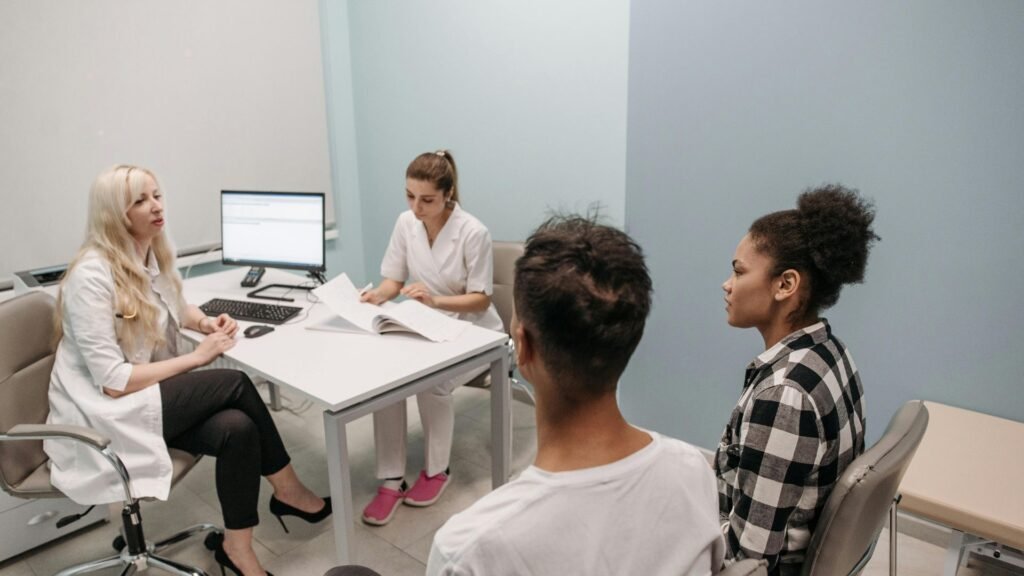
Modern clinical trial recruitment increasingly relies on community-based research sites that bring trials directly to diverse populations rather than expecting participants to travel to distant academic centers.
Strategic Location Selection
Community-based clinical trial recruitment places research sites within the communities being studied. This approach reduces travel barriers while building trust through consistent local presence and cultural familiarity.
Sites located in diverse neighborhoods can recruit participants who reflect local demographics naturally. Hispanic communities, African American neighborhoods, Asian enclaves, and other ethnic communities become accessible when research comes to them rather than expecting them to travel elsewhere.
Shopping centers, community health centers, and local medical practices provide familiar, convenient locations for research activities. These settings feel less intimidating than large academic hospitals and integrate research into participants’ existing healthcare routines.
Building Community Partnerships
Effective clinical trial recruitment through community sites requires genuine partnerships with local organizations, religious institutions, community leaders, and healthcare providers. These relationships provide credibility and cultural bridge-building that facilitates trust.
Community health workers and local healthcare providers who understand neighborhood dynamics can provide culturally appropriate recruitment messages and address community-specific concerns about research participation.
Ongoing community presence beyond active recruitment periods builds long-term relationships that support future research opportunities. Sites that engage with communities year-round rather than only during recruitment periods develop stronger participation rates.

Digital and Social Media Outreach
Clinical trial recruitment has embraced digital strategies that reach broader audiences through platforms people use in their daily lives. Social media, search engine marketing, and online communities provide new pathways for connecting potential participants with relevant research.
Targeted Digital Advertising
Digital clinical trial recruitment allows precise targeting based on demographics, geographic location, interests, and online behaviors. Facebook and Google advertising can reach specific populations with tailored messages about relevant research opportunities.
Advertisements can be customized for different languages, cultural groups, and age demographics. Visual content can feature diverse participants and culturally relevant imagery that resonates with target communities.
Search engine optimization ensures that people researching their health conditions encounter information about clinical trials. When someone searches for “diabetes treatment options” or “new heart failure medications,” trial information can appear alongside educational content.
Social Media Engagement
Clinical trial recruitment through social media creates opportunities for authentic engagement and education about research participation. Patient advocacy groups, health-focused communities, and condition-specific forums provide natural gathering places for potential participants.
Social media allows research sites to share participant stories, behind-the-scenes glimpses of research activities, and educational content about clinical trials. This humanizes the research process and addresses misconceptions about trial participation.
Interactive content like live Q&A sessions, webinars, and virtual information sessions makes research teams accessible to people who might never visit a research site otherwise. These digital touchpoints build familiarity and trust before formal recruitment begins.
Online Screening and Pre-Qualification
Digital platforms streamline clinical trial recruitment by allowing initial screening and pre-qualification online. Potential participants can complete questionnaires, upload medical information, and receive preliminary assessments before committing to site visits.
Online screening reduces barriers for working adults who can complete initial steps during evenings or weekends. It also provides privacy for people who prefer confidential initial contact before revealing interest to family members or employers.
Automated screening systems can immediately connect qualified candidates with appropriate studies while directing unqualified individuals to alternative resources or future opportunities.

Language and Cultural Accessibility
Modern clinical trial recruitment recognizes that language barriers and cultural differences require intentional accommodation rather than exclusion. Research sites increasingly provide multilingual resources and culturally competent staff.
Multilingual Staff and Resources
Effective clinical trial recruitment in diverse communities requires staff who speak participants’ primary languages fluently. Bilingual research coordinators can conduct consent discussions, answer questions, and provide ongoing support in participants’ preferred languages.
All study materials, including informed consent forms, questionnaires, and educational resources, should be professionally translated and culturally adapted. Direct translation often misses cultural nuances that affect understanding and acceptance.
Interpretation services for languages not represented on staff ensure that no one is excluded based on language barriers. Professional medical interpreters understand research terminology and can facilitate accurate communication about complex study procedures.
Cultural Competency Training
Clinical trial recruitment staff need training in cultural competency that goes beyond language skills. Understanding cultural attitudes toward medical research, decision-making processes, family dynamics, and health beliefs improves recruitment effectiveness.
Different cultures have varying approaches to medical decision-making. Some emphasize individual autonomy, while others involve extended family or community leaders. Recruitment approaches should respect these differences.
Religious and cultural calendars affect availability for research activities. Recruitment timelines and visit scheduling should accommodate religious observances, cultural celebrations, and community events important to target populations.
Addressing Historical Concerns
Clinical trial recruitment in communities with histories of medical research abuse requires acknowledgment of past harms and demonstration of current ethical protections. Transparency about safeguards and participant rights builds trust gradually.
Community education about modern research regulations, institutional review boards, and participant protections helps address concerns rooted in historical experiences like the Tuskegee Syphilis Study.
Involving community leaders and respected local healthcare providers in recruitment efforts provides third-party credibility that research sites might lack when approaching new communities.

Transportation and Logistics Support
Clinical trial recruitment succeeds when practical barriers to participation are removed. Transportation challenges, work schedule conflicts, and childcare needs prevent many interested people from participating without support services.
Transportation Solutions
Modern clinical trial recruitment often includes transportation assistance that removes geographic barriers to participation. Partnerships with ride-sharing services, public transportation vouchers, and parking reimbursement make research sites accessible.
Some research organizations provide shuttle services from community locations to research sites. This approach works particularly well for older adults or people with disabilities who face transportation challenges.
Mileage reimbursement for personal vehicle use helps rural participants who must travel significant distances to reach research sites. Clear reimbursement policies and prompt payment respect participants’ financial constraints.
Flexible Scheduling Options
Clinical trial recruitment improves when research sites offer visit scheduling that accommodates participants’ work and family responsibilities. Evening hours, weekend availability, and same-day visit completion reduce participation barriers.
Express visit options for routine procedures like medication dispensing and safety checks minimize time commitments for working participants. Combining multiple procedures into single visits reduces the number of required trips.
Home health visits for certain procedures bring research to participants’ homes when appropriate. Mobile units and traveling research staff can serve rural areas or provide services to mobility-impaired participants.
Childcare and Family Support
Clinical trial recruitment recognizes that many potential participants have childcare responsibilities that affect their ability to attend research visits. On-site childcare or childcare vouchers remove significant barriers for parents.
Family-friendly research environments welcome children and provide appropriate spaces for families during visits. Some sites offer educational activities or entertainment for children accompanying parents to research visits.
Flexible policies allow family members to participate in consent discussions and provide emotional support during research activities. Cultural practices around family involvement in medical decisions should be respected and accommodated.

Technology-Enabled Accessibility
Clinical trial recruitment benefits from technology solutions that reduce burden on participants while maintaining data quality and regulatory compliance.
Remote Monitoring and Visits
Technology enables some research activities to occur remotely, reducing travel requirements for participants. Telemedicine visits for check-ins, questionnaire completion, and results discussion increase accessibility.
Wearable devices and mobile health applications can collect continuous data about participants’ health status, reducing the need for frequent site visits. Remote monitoring provides richer data while minimizing participant burden.
Digital medication adherence monitoring through smart pill bottles or mobile apps helps ensure protocol compliance while providing flexibility in medication administration timing.
Electronic Consent and Documentation
Electronic informed consent systems improve clinical trial recruitment by making consent materials more accessible and understandable. Interactive elements, video explanations, and multilingual options enhance comprehension.
Electronic systems can track time spent reviewing different sections of consent forms, ensuring participants have adequate opportunity to understand study information before making decisions.
Digital documentation reduces paperwork burden for participants while improving data accuracy and regulatory compliance for research sites.
Measuring Recruitment Success
Modern clinical trial recruitment requires metrics that go beyond simple enrollment numbers to assess accessibility and representativeness of study populations.
Diversity metrics track the demographic composition of enrolled participants compared to target populations and general disease prevalence. These measurements identify whether accessibility efforts are reaching intended communities.
Retention rates across different demographic groups reveal whether accessibility continues throughout study participation. High dropout rates in specific populations might indicate ongoing barriers that need addressing.
Participant feedback surveys assess satisfaction with recruitment processes and identify areas for improvement in accessibility approaches. This feedback guides refinement of recruitment strategies for future studies.

The Future of Accessible Recruitment
Clinical trial recruitment continues evolving toward greater accessibility through technological innovation, regulatory support for diversity initiatives, and growing industry recognition that representative research generates better outcomes.
At Valiance Clinical Research, our community-based approach to clinical trial recruitment demonstrates that accessible research is both operationally feasible and scientifically beneficial. Our sites achieve 70% diverse enrollment through intentional accessibility efforts that respect participants’ needs and circumstances.
Modern clinical trial recruitment approaches prove that removing barriers to participation improves both research quality and public health outcomes. When trials are truly accessible, they generate data that leads to treatments working effectively for everyone who needs them, regardless of background or circumstances.