
Your Guide to Clinical Trial Risks, Regulations, and Participant Rights
Clinical trial risks and benefits deserve honest conversation, not sugar-coating or fear-mongering. Yes, clinical trials involve uncertainty. No, they’re not dangerous experiments on unsuspecting people. The truth sits between these extremes, grounded in regulations designed to protect you and rights that put you in control.
Understanding real risks, actual regulations, and your protected rights helps you make decisions based on facts rather than fear. Clinical trials advance medicine, but your safety and autonomy always come first.
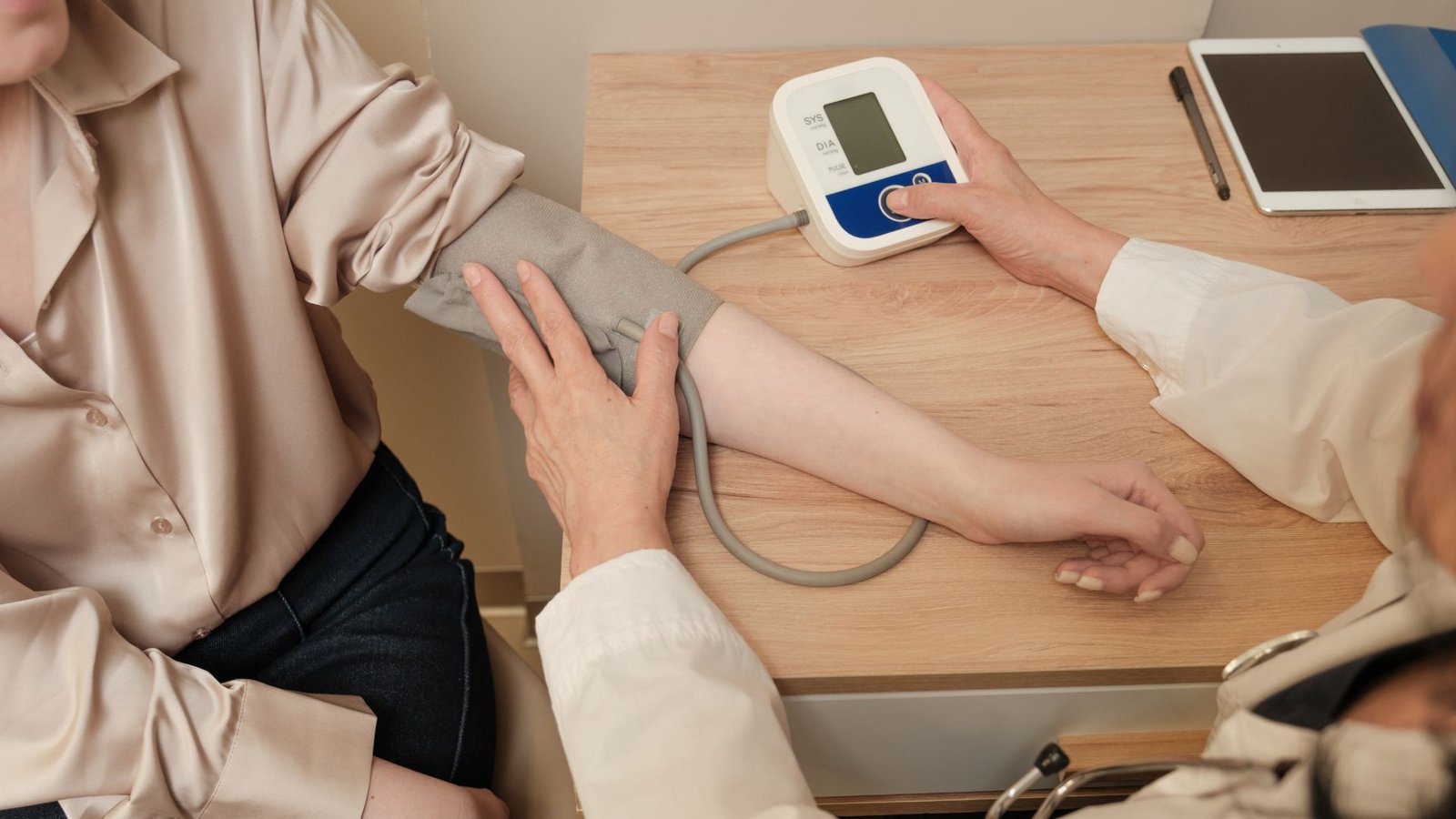
The Truth About Clinical Trial Risks
Clinical trial risks and benefits vary dramatically depending on what’s being tested, which phase of research you’re joining, and your current health status. Pretending all trials carry the same risk does everyone a disservice.
Risks Are Real But Managed
Every medical intervention carries risk. Taking aspirin carries risk. Surgery carries risk. Even doing nothing when you’re sick carries risk. Clinical trials are no different.
The key difference is how systematically trial risks are studied, disclosed, and managed. Before you join a trial, researchers already know certain things from preclinical testing and earlier phases. They know approximate dosing ranges that appear safe. They know what side effects appeared in animal studies. They know what happened to previous participants.
This doesn’t mean they know everything. That’s why it’s called research. But it does mean you’re not stepping into complete unknown territory.
Phase Matters for Risk Assessment
Clinical trial risks and benefits shift dramatically based on trial phase.
Phase 1 trials carry the highest uncertainty because they’re first-in-human studies. Researchers have animal data and laboratory results, but limited information about how humans will respond. However, Phase 1 trials also involve the most intensive safety monitoring. Participants undergo frequent visits with extensive testing. Doses start very low and increase gradually.
Phase 2 trials reduce uncertainty because Phase 1 established basic safety and dosing. Researchers now test whether the treatment works in people with the target condition. Risks are better characterized because more people have received the treatment.
Phase 3 trials offer the most safety data. Hundreds or thousands of people have already taken the treatment. The side effect profile is well-documented. These trials compare new treatments to current standard care, so even if randomized to the control group, you receive proven treatment.
Phase 4 trials test treatments already FDA-approved and used by thousands of people. Safety profiles are well-established from earlier phases and real-world use.
Common Risks Across Trials
Some risks apply across most clinical trials:
- Time commitment requires hours away from work and life for frequent study visits
- Side effects are possible with any treatment, ranging from minor to serious
- Treatment uncertainty exists in randomized trials where you might not know which treatment you receive
- Ineffectiveness is possible as the treatment being tested might not work for you
- Blood draws and medical procedures can cause discomfort or complications
Rare But Serious Risks
Clinical trial risks and benefits must be weighed against the possibility of serious complications. While rare, serious adverse events do occur. Treatments can cause unexpected reactions. Side effects can be worse than anticipated. Interactions with your other medications might create problems.
This is why intensive monitoring exists. This is why you can withdraw anytime. This is why research coordinators track every symptom you report.

Federal Regulations That Protect You
Clinical trial risks and benefits are governed by some of the strictest regulations in healthcare. These aren’t voluntary guidelines. They’re federal laws that every trial must follow.
The Common Rule Foundation
The Common Rule is the foundation of research ethics in the United States. Key requirements include:
- Informed consent explaining all aspects of the trial before you decide to join
- IRB review by an independent committee before any trial begins
- Ongoing oversight throughout the trial with regular safety reviews
- Modifications must be approved before implementation
- Serious adverse events require immediate reporting
The IRB must determine that risks are reasonable relative to potential benefits. They must approve the informed consent document. They must verify that participant selection is equitable. They can suspend or terminate trials that become too risky.

FDA Regulations for Drug and Device Trials
The FDA has additional regulations governing clinical trials for drugs, biologics, and medical devices:
Investigational New Drug application requirements mandate that companies submit preclinical safety data, proposed protocols, and investigator qualifications before human testing begins. The FDA reviews everything before approving human trials.
Good Clinical Practice standards establish international requirements for how trials should be designed, conducted, recorded, and reported. All trials must follow these standards.
Adverse event reporting requirements mandate immediate notification when serious problems occur. Sites must report to the FDA within specific timeframes depending on event severity.
Data integrity requirements ensure the data collected accurately reflects what happened to participants. Falsifying data is a federal crime.
HIPAA Privacy Protections
Clinical trial risks and benefits extend beyond physical health to privacy concerns. The Health Insurance Portability and Accountability Act protects your medical information:
- Medical records remain confidential with limited access
- Study reports use codes instead of names
- Personal health information isn’t shared without written authorization
- The informed consent document specifies exactly who can access your information
Belmont Report Principles
Three ethical principles guide all research involving humans:
Respect for persons means treating you as autonomous. You must give informed consent voluntarily. You can withdraw anytime. Researchers cannot coerce or manipulate your decision.
Beneficence requires maximizing benefits while minimizing harm. Study designs must offer reasonable chance of benefit relative to risks. Researchers must protect your wellbeing throughout the trial.
Justice demands fair participant selection. Vulnerable populations shouldn’t bear disproportionate research burdens. Benefits of research should be distributed fairly across society.

Your Rights as a Clinical Trial Participant
Clinical trial risks and benefits are yours to evaluate because you have legally protected rights throughout the research process.
The Right to Informed Consent
You have the right to complete, understandable information before agreeing to participate:
- Plain language explanations without medical jargon you don’t understand
- Time to decide without pressure or coercion
- All relevant information about the study, not just the benefits
- Written documentation you can review whenever needed
- Follow-up appointments specifically to ask more questions
Researchers must disclose known risks, uncertainties, and alternatives. They cannot hide information or minimize risks to encourage enrollment. The consent document is yours to keep and refer back to throughout the trial.
The Right to Withdraw
You have the right to leave a clinical trial at any time for any reason without penalty:
- No explanation required for your decision
- No penalties or consequences for withdrawing
- Regular medical care continues unchanged
- No retaliation from the research team
- Continued free care for any study-related medical services you received before withdrawing
“I changed my mind” is sufficient. You don’t owe researchers reasons or justifications. Ethical researchers respect your decision whether you continue or leave.

The Right to Privacy
You have the right to confidentiality of your medical information:
- Limited access to your complete medical records
- De-identified data in study reports and publications
- Your name never appears in research results
- Authorization requirements before sharing your information with third parties
- Specific disclosure of what will be shared and why
The Right to Safety
You have the right to the highest reasonable safety standards throughout the trial:
- Appropriate medical care if you experience trial-related health problems
- Most trials provide this care at no cost
- Immediate notification if researchers discover new risks during the trial
- Updated consent documents explaining new information
- Emergency withdrawal from the trial if continuing would harm your health
The Right to Results
You have the right to information about trial results:
- Knowing which treatment you received after the trial ends in blinded studies
- Access to overall study results when they become available
- Many trials now post results in public databases within one year of completion
- Information about treatment efficacy that might affect your future healthcare decisions

Balancing Risks and Benefits for Your Situation
Clinical trial risks and benefits are personal. What’s acceptable risk for one person might be unacceptable for another.
Questions to Ask About Risks
Evaluate clinical trial risks and benefits by asking specific questions:
- What are the most common side effects and how frequently do they occur?
- What are the most serious risks, even if rare?
- What happened in earlier trial phases with previous participants?
- How will my safety be monitored throughout the trial?
- What medical care is provided if problems occur?
- Who do I contact with concerns between visits?
- How quickly does the team respond to reported side effects?
Comparing to Your Alternatives
Clinical trial risks and benefits should be weighed against your other options:
Your current treatment plan matters. If you have effective treatment available, trial risks might outweigh benefits. If your current treatment isn’t working, trial benefits might outweigh risks.
Consider the risks of doing nothing. For serious conditions, the risk of no treatment might exceed trial risks.
Understand what standard treatments exist. If proven effective treatments are available, understand why you’re considering a trial instead.
Personal Risk Tolerance Factors
Your comfort with uncertainty matters. Some people are willing to accept higher risks for potential benefits. Others prefer proven treatments with well-known risk profiles. Neither approach is wrong.
Consider your life circumstances:
- Can you commit to the required visit schedule?
- Do you have reliable transportation to appointments?
- Can you take time off work for study visits?
- Do you have support from family or friends?
- Are you comfortable with the level of uncertainty involved?
Understanding What You're Getting Into
Clinical trial risks and benefits deserve careful evaluation specific to your situation. Talk with your regular doctor about whether a specific trial makes sense for your health status. Review the informed consent document thoroughly. Ask every question that comes to mind. Take time to think before deciding.
At Valiance Clinical Research, we believe informed participants make better decisions. Our coordinators take time to explain trials thoroughly. We answer every question honestly. We respect your decision whether you join or decide a trial isn’t right for you.
Clinical trial risks and benefits exist in every trial. Regulations protect you from unnecessary harm. Your rights ensure you remain in control. Understanding all three helps you make the choice that’s right for your health and your life.