
Healthy Volunteers vs. Patient Volunteers: Who's Needed in Clinical Research?
Healthy volunteers clinical trials play a critical yet often overlooked role in medical research. While most people associate clinical trials with patients seeking treatment, healthy volunteers contribute essential data that makes drug development possible.
Understanding who participates in clinical trials and why different studies need different volunteers reveals the breadth of medical research. Both healthy volunteers and patient volunteers are necessary at different stages of the research process.

What Makes Someone a Healthy Volunteer
Healthy volunteers clinical trials define “healthy” specifically for research purposes. This doesn’t mean you need perfect health or peak physical fitness. It means you don’t have the specific condition the study is investigating.
Basic Health Requirements
Healthy volunteers typically meet these criteria:
- No diagnosis of the condition being studied
- No chronic diseases requiring ongoing treatment
- Vital signs within normal ranges
- Laboratory tests showing normal organ function
- Not taking medications that could interfere with the study drug
You might have minor health issues like seasonal allergies or well-controlled conditions unrelated to the study. What matters is that you don’t have the disease the research is testing treatments for.
Age and Demographic Considerations
Healthy volunteers clinical trials often need specific age ranges or demographic characteristics. A study might need:
- Healthy adults 18-45 to establish baseline safety data
- Healthy older adults 65+ to test drug processing in aging bodies
- Healthy volunteers matching patient demographics for comparison
These specific requirements help researchers understand how treatments work in different populations.
Lifestyle and Medical History Factors
Exclusion criteria for healthy volunteers might include:
- Current smoking or substance use
- Recent participation in other research studies
- Certain medications or supplements
- Pregnancy or breastfeeding
- History of specific medical conditions
These restrictions ensure study results aren’t confounded by factors that could affect how the body processes drugs.

Why Clinical Trials Need Healthy Volunteers
Healthy volunteers clinical trials serve purposes that patient volunteers cannot. Their participation answers fundamental questions about new treatments before they’re tested in people with disease.
Phase 1 Safety Testing
Phase 1 trials are the first time new treatments are tested in humans. These studies focus exclusively on safety, not effectiveness. Researchers need to understand:
- What happens when humans take this compound
- How the body absorbs, distributes, metabolizes, and eliminates it
- What side effects occur at different doses
- What dosage range appears safe for further testing
Healthy volunteers clinical trials in Phase 1 provide this foundational data. Testing in healthy people first allows researchers to understand the drug’s behavior in typical bodies without complications from disease.
Establishing Baseline Data
When researchers test a new diabetes medication, they need to know how it affects people without diabetes. This baseline data helps them understand whether effects seen in diabetic patients come from the drug treating disease or from the drug’s general impact on human physiology.
Healthy volunteers clinical trials provide comparison data showing how compounds work in people without the target condition. This context is essential for interpreting results from patient trials.
Studying Drug Interactions
Many healthy volunteers clinical trials test how new drugs interact with other medications. Researchers might give healthy volunteers:
- The study drug alone
- The study drug plus a common medication
- The study drug plus another drug often taken for the target condition
These interaction studies protect future patients by identifying problematic combinations before drugs reach people with complex medication regimens.
Testing Different Formulations
Healthy volunteers clinical trials often compare different ways of delivering the same drug. Researchers might test:
- Immediate release vs. extended release formulations
- Different routes of administration (oral, injection, topical)
- Various dosing schedules
Testing these variations in healthy volunteers helps identify the most effective delivery method before moving to patient trials.

What Patient Volunteers Contribute
Patient volunteers bring different value to clinical research. They’re needed to answer questions healthy volunteers cannot address.
Testing Effectiveness in Target Populations
Only patient volunteers can show whether treatments actually work for the intended condition. A diabetes drug must lower blood sugar in people with diabetes. A cancer treatment must affect tumors in cancer patients. Healthy volunteers cannot provide this data.
Patient volunteers participate in Phase 2 and Phase 3 trials testing whether treatments are effective, not just safe. Their disease status is essential to the research question.
Understanding Real-World Treatment Scenarios
Patient volunteers typically take other medications for their condition or related health issues. They have complications and comorbidities that affect treatment response. They represent the complex reality of actual patients who will use approved drugs.
This complexity is necessary. Researchers need to know how new treatments perform in people with messy, real-world health profiles, not just in laboratory-perfect healthy volunteers.
Identifying Disease-Specific Side Effects
Some side effects only appear in people with the target disease. A medication might be perfectly safe in healthy volunteers but cause problems in people whose organs are already affected by disease.
Patient volunteers help identify these disease-specific safety concerns that wouldn’t surface in healthy volunteer trials.
Testing in Various Disease Stages
Patient volunteers include people with early, moderate, and advanced disease. Clinical trials need participants across this spectrum to understand:
- Whether treatments work better at certain disease stages
- If effectiveness differs based on disease severity
- How safety profiles change as disease progresses
Healthy volunteers cannot provide this disease stage data because they don’t have the condition being studied.
Phase-Specific Volunteer Needs
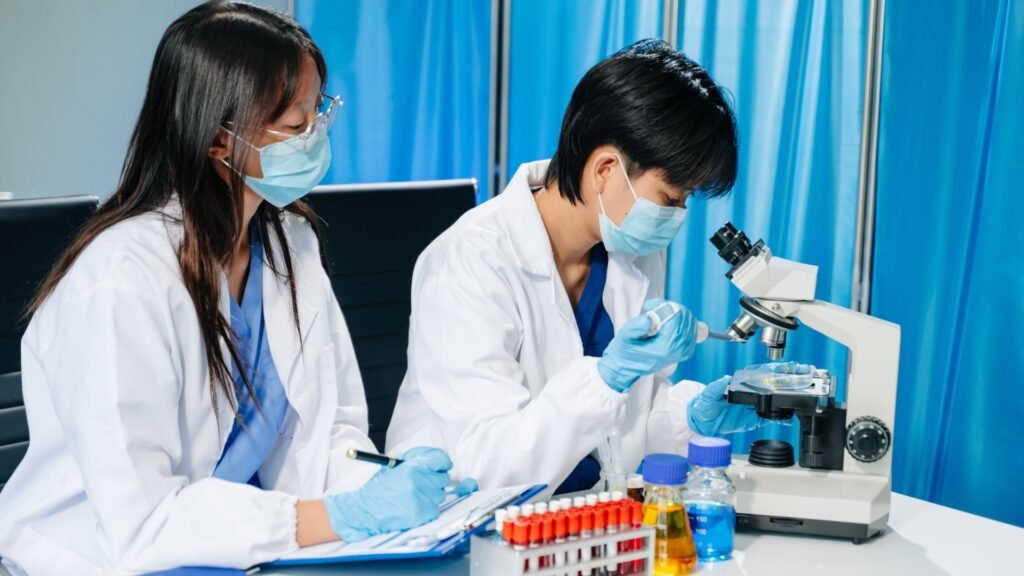
Healthy volunteers clinical trials are most common in specific research phases while patient volunteers dominate others.
Phase 1: Predominantly Healthy Volunteers
Phase 1 trials typically enroll 20 to 100 healthy volunteers to test basic safety. Exceptions exist for treatments too toxic for healthy people, such as cancer chemotherapy. These toxic treatments go straight to patient testing even in Phase 1.
For most new drugs, healthy volunteers clinical trials in Phase 1 establish:
- Maximum tolerated dose
- Dose-limiting side effects
- How the body processes the drug
- Appropriate dosing for later phases
Phase 2: Patient Volunteers Take Over
Phase 2 trials need 100 to 300 patient volunteers with the target condition. The research question shifts from “Is it safe?” to “Does it work?”
Healthy volunteers cannot answer this question. Only people with the condition can show whether treatments are effective.
Phase 3: Large Patient Volunteer Studies
Phase 3 trials enroll hundreds to thousands of patient volunteers across multiple sites. These large-scale studies compare new treatments to standard care in real-world patient populations.
Healthy volunteers have no role in Phase 3 because the research is definitively testing effectiveness in the target patient population.
Phase 4: Post-Approval Patient Monitoring
Phase 4 trials monitor approved treatments in even larger patient populations. These studies track long-term safety and effectiveness as thousands of patients use medications in routine care.
Again, healthy volunteers aren’t relevant because the research focuses on treatment performance in actual patients.

Special Cases Where Both Are Needed
Some healthy volunteers clinical trials need both healthy and patient volunteers to make direct comparisons.
Comparative Metabolism Studies
Researchers might test how healthy volunteers process a drug compared to patient volunteers. This helps explain why patients with certain diseases metabolize medications differently.
Both groups receive the same drug at the same dose. Researchers compare blood levels, elimination rates, and metabolic pathways. These comparisons reveal disease-specific changes in drug processing.
Biomarker Development
Biomarker research often needs both healthy volunteers and patient volunteers. Researchers compare biomarker levels between groups to identify disease signatures or treatment response indicators.
Testing biomarkers only in patients wouldn’t show which changes are disease-specific versus normal variation. Healthy volunteers provide the normal range baseline.
Device Testing
Medical device trials sometimes need both populations. Healthy volunteers might test device safety and basic functionality. Patient volunteers then test whether devices actually help manage their condition.
Compensation Differences
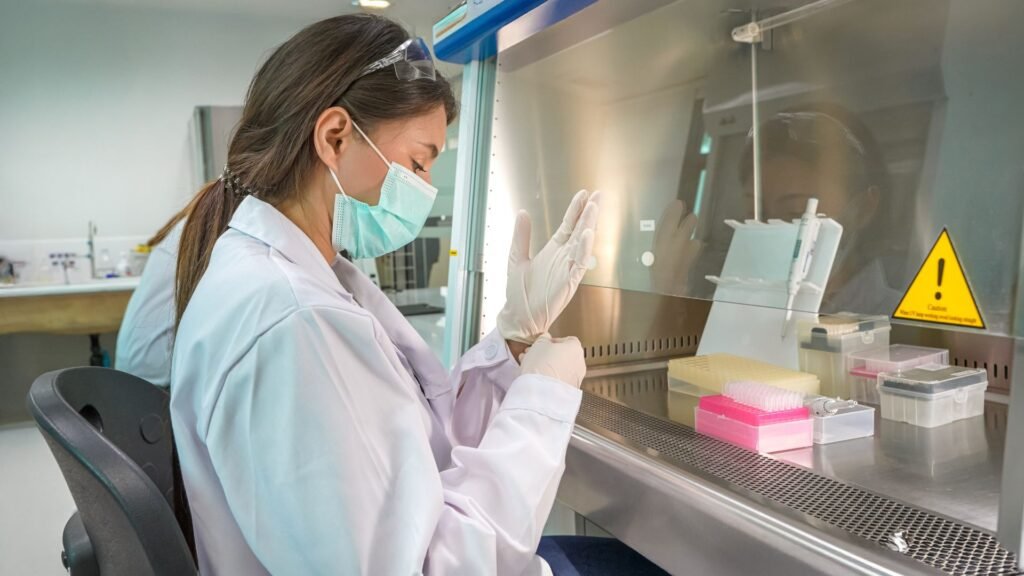
Healthy volunteers clinical trials typically offer different compensation than patient volunteer studies.
Healthy Volunteer Compensation
Healthy volunteers often receive higher per-visit compensation because:
- They don’t directly benefit from testing since they don’t have the condition
- Their participation is purely altruistic or financially motivated
- Phase 1 trials require frequent visits with extensive testing
- Time commitment can be substantial
Compensation ranges from hundreds to thousands of dollars depending on study demands, overnight stays, and invasive procedures.
Patient Volunteer Compensation
Patient volunteers typically receive modest compensation or reimbursement for time and travel. They participate primarily because:
- They might benefit from accessing new treatments
- They want to contribute to research on their condition
- They receive free study-related medical care
Compensation is lower because trials provide value through treatment access and medical monitoring beyond payment.

Time Commitment Differences
Healthy volunteers clinical trials often require different time commitments than patient studies.
Phase 1 Intensive Monitoring
Healthy volunteers in Phase 1 trials might need:
- Multiple visits per week for several weeks
- Extended stays at research facilities
- Frequent blood draws and testing
- Restrictions on activities, diet, or other medications
This intensive monitoring is necessary because researchers are testing safety in humans for the first time.
Patient Trial Schedules
Patient volunteer trials typically follow more sustainable schedules:
- Monthly or quarterly visits for chronic disease management trials
- Weekly visits that taper to monthly as studies progress
- Schedules designed around realistic treatment patterns
Patient trials need long-term participation showing treatment effectiveness over months or years. The visit schedules must be sustainable for people managing ongoing health conditions.
Who Should Consider Each Type
Healthy volunteers clinical trials suit people who:
- Want to contribute to medical research without having the condition being studied
- Can commit to intensive visit schedules for shorter periods
- Meet specific health criteria and aren’t taking many medications
- Are motivated by compensation or scientific contribution
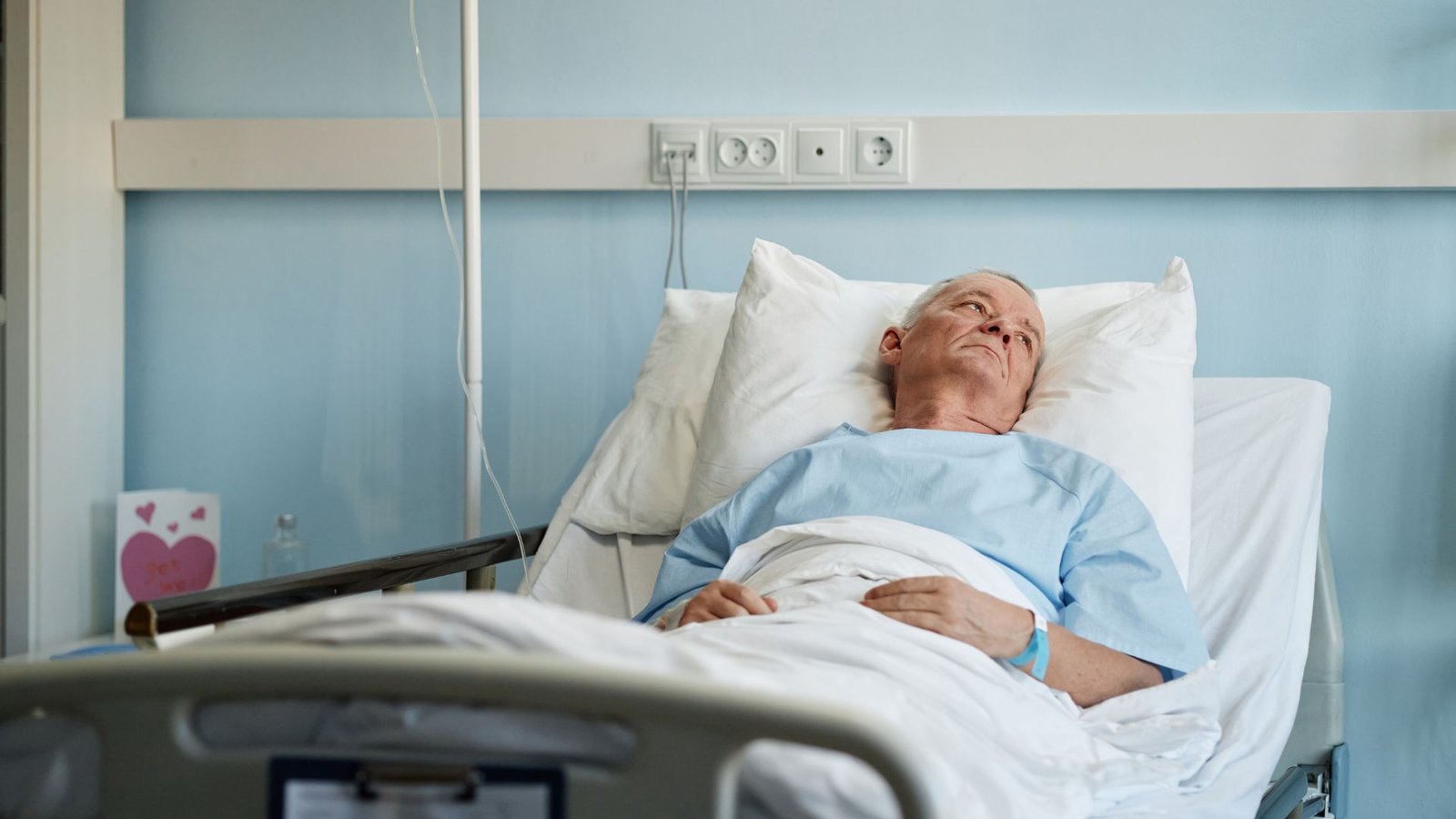
Patient volunteer trials suit people who:
- Have the condition being researched
- Want access to new treatments before FDA approval
- Seek additional medical monitoring beyond routine care
- Can commit to longer-term study participation
Finding Opportunities
Healthy volunteers clinical trials are conducted at specialized Phase 1 units and research sites focusing on early-stage trials. Patient volunteer trials happen at hospitals, academic medical centers, and community research sites.
At Valiance Clinical Research, we conduct trials across phases including studies needing both healthy volunteers and patient volunteers. Our Southern California locations run Phase 1 through Phase 4 trials depending on therapeutic area and sponsor needs.
Whether you’re a healthy volunteer interested in contributing to early-stage research or a patient volunteer seeking better treatment options, clinical trials need your participation. Both types of volunteers are essential to medical progress.
The Complementary Nature of Both
Healthy volunteers clinical trials and patient volunteer trials aren’t competing categories. They’re complementary parts of the same process that brings new treatments from laboratory to pharmacy.
Healthy volunteers make patient trials possible by establishing safety and basic pharmacology. Patient volunteers take that foundation and prove whether treatments actually help people with disease.
Medical research needs both. Understanding which trials need which volunteers helps you identify where your participation could contribute most effectively to advancing healthcare for everyone.