
How Clinical Trials Work: From Lab to Life-Saving Treatment
How clinical trials work begins with a scientific discovery in a laboratory and ends with a new treatment available at your local pharmacy. This journey typically takes 10 to 15 years and involves thousands of people working together to transform promising compounds into safe, effective medications that save lives.
Every medication you’ve ever taken followed this same path. From the aspirin in your medicine cabinet to life-saving cancer treatments, clinical trials bridge the gap between scientific breakthrough and patient access. Understanding this process reveals why medical progress moves at the pace it does and why your participation matters.

The Journey Begins in Research Laboratories
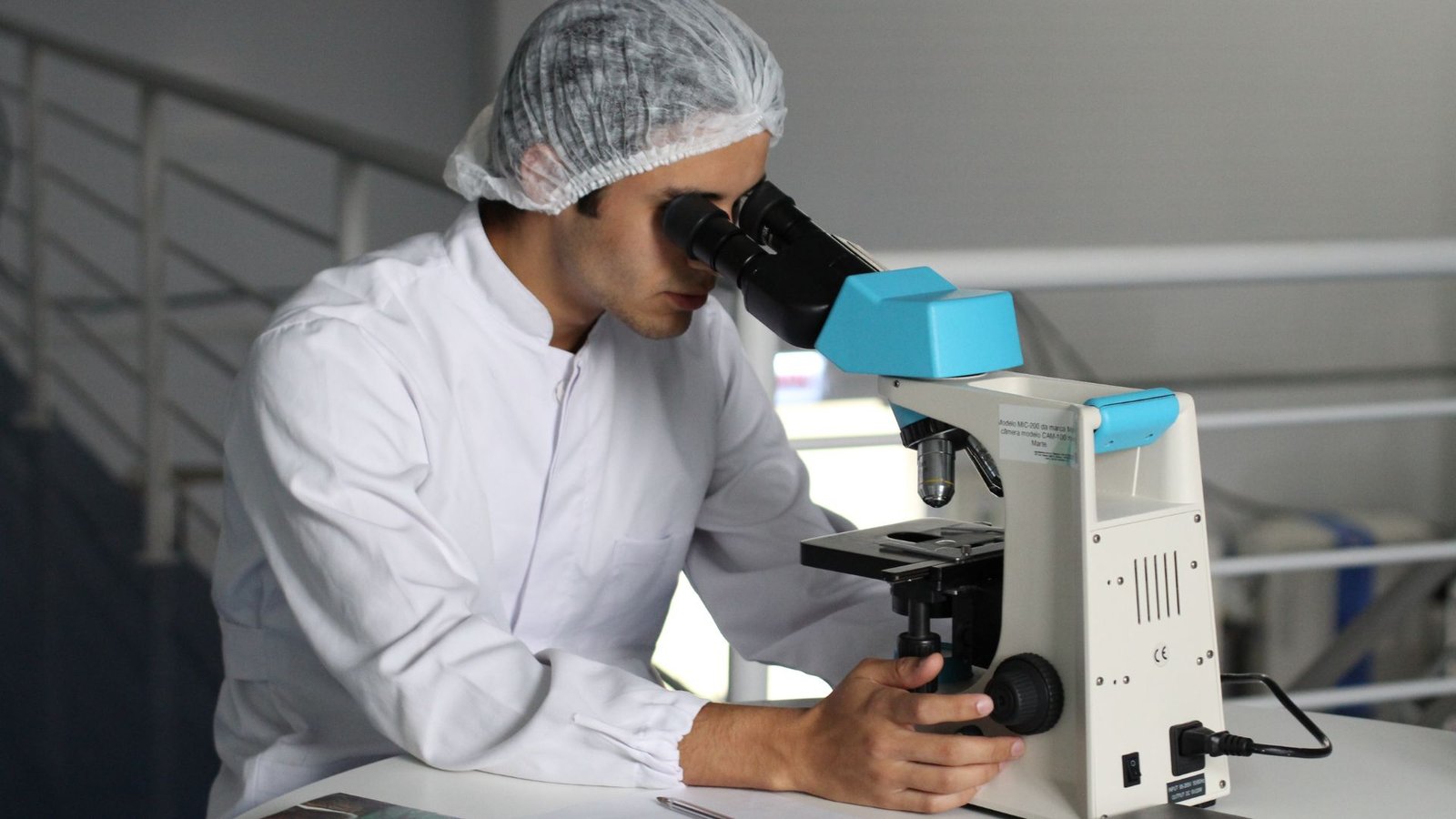
How clinical trials work starts long before any human takes a new drug. Scientists in research laboratories identify compounds that might treat specific diseases. They study how these compounds affect cells in petri dishes and test them in computer models.
Promising compounds move to animal testing. Researchers examine how the drug behaves in living organisms. They measure absorption, distribution through the body, metabolism, and elimination. They watch for toxic effects and determine safe starting doses for humans.
This preclinical phase eliminates most potential drugs. Only compounds that show both promise and acceptable safety profiles advance to human testing. The FDA reviews all preclinical data before allowing human trials to begin.
FDA Review and Approval Process
Before any human receives an experimental drug, the FDA must approve an Investigational New Drug application. Pharmaceutical companies submit extensive data showing why they believe the compound is ready for human testing.
An independent Institutional Review Board also reviews every trial protocol. This committee includes scientists, doctors, and community members who ensure the study is ethical and that participant safety comes first. No trial begins without IRB approval.
The Four Testing Phases
How clinical trials work progresses through four distinct phases, each designed to answer specific questions about safety and effectiveness.
Phase 1 tests safety in 20 to 100 healthy volunteers. Researchers determine safe doses, how the body processes the drug, and what side effects occur. About 70% of drugs successfully complete Phase 1. Those that fail usually cause unacceptable side effects or behave unexpectedly in the human body.
Phase 2 enrolls 100 to 300 people with the target disease to test effectiveness. Researchers measure specific outcomes like blood sugar control for diabetes drugs or tumor size for cancer treatments. Only 33% of drugs entering Phase 2 advance to Phase 3. Many fail because they don’t work well enough or cause side effects that outweigh benefits.
Phase 3 involves 300 to 3,000 participants across multiple sites. These large-scale trials compare new treatments to current standard care through randomization and double-blinding. Neither participants nor doctors know which treatment participants receive until the study ends. This prevents bias from influencing results. About 25 to 30% of drugs entering Phase 3 eventually receive FDA approval.
Phase 4 happens after approval when thousands or millions of people use the medication. Healthcare providers report adverse events while researchers monitor long-term safety and effectiveness in real-world conditions.
Critical Components That Make Trials Work
Several elements must align for clinical trials to generate reliable data that protects participants while advancing medicine. Understanding these components reveals the complexity behind what appears to be a straightforward testing process.
Research sites handle the daily operations of clinical trials. Sites like Valiance Clinical Research recruit participants, obtain informed consent, conduct study visits, collect data, and monitor safety. Quality sites maintain rigorous standards following Good Clinical Practice guidelines while protecting participant safety through careful monitoring.
Data collection systems track every detail throughout trials. Sites document every symptom participants report, record laboratory results, monitor vital signs, and track medication compliance. This data flows into secure databases that sponsors analyze for patterns showing whether treatments work and whether they’re safe.
Participant protections operate at multiple levels throughout trials. Key protections include:
- Informed consent ensuring people understand what they’re agreeing to before joining
- Right to withdraw anytime without penalty or impact on regular medical care
- Independent review boards monitoring trials for safety issues
- Data safety monitoring boards that can stop trials if treatments prove harmful
- Federal regulations requiring immediate reporting of serious adverse events
- Study-related care provided at no cost to participants
- Compensation for time and travel in many trials
Manufacturing scale-up happens alongside clinical trials. Early trials use small laboratory batches. Later trials require larger quantities manufactured under strict quality control. The FDA inspects manufacturing facilities to verify companies can produce drugs consistently and safely at commercial scale.

The Regulatory Submission Process
After successful Phase 3 trials, pharmaceutical companies submit a New Drug Application to the FDA. This massive document includes all data from preclinical studies through Phase 3 trials, manufacturing information, and proposed labeling.
FDA reviewers spend months analyzing the submission. Medical officers examine clinical trial data. Pharmacologists assess how the body processes the drug. Statisticians verify data analysis. Chemists review manufacturing processes.
Priority review happens in six months for treatments addressing serious conditions with unmet medical needs. Standard review takes ten months or longer. The FDA can approve the drug, request additional studies, or reject the application.
Why Diverse Participation Changes Everything
How clinical trials work depends critically on who participates. For decades, trials enrolled mostly white male participants. Medications were approved based on how they worked in that narrow group.
We now know different populations metabolize drugs differently. Side effects vary across ethnic backgrounds. Effectiveness differs based on genetics and environmental factors. Trials must include diverse participants to generate data applicable to everyone who will use the treatment.
The FDA now requires sponsors to develop diversity plans. Research sites in underserved communities play a critical role reaching populations historically excluded from trials. At Valiance, 46.9% of participants are Hispanic or Latino, 28.9% are white non-Hispanic, 11.7% are Asian, and 8.3% are African American. This representation ensures medications work safely and effectively for all patients.
The Cost and Timeline Reality
How clinical trials work involves substantial investment. Developing a new drug costs an average of $2.6 billion. The timeline from laboratory discovery to FDA approval typically spans 10 to 15 years.
These numbers explain why medications cost what they do. Companies must recoup development costs while patents last. They must fund the 90% of drugs that fail during development with profits from the 10% that succeed.
Expedited pathways exist for serious conditions. Breakthrough therapy designation, fast track status, and accelerated approval can cut years from development. But even with expedited review, most drugs take at least five years from first human testing to approval.

Making Trials Accessible
Understanding how clinical trials work reveals barriers that keep many people from participating. Transportation challenges, work schedule conflicts, language barriers, and lack of awareness all limit access.
Community-based research sites address these barriers through operational design:
- Multiple convenient locations bringing trials into neighborhoods
- Flexible scheduling including evenings and weekends
- Transportation assistance like Uber Health partnerships
- Bilingual staff in Spanish, Tagalog, Farsi, Cantonese, Korean, Armenian, and English
- Immediate compensation via visa cards rather than delayed checks
- Free study-related care regardless of insurance status
These services aren’t add-ons. They’re core operations that make participation feasible for working families, immigrants, and people from communities historically excluded from research.
From Approval to Patient Access
FDA approval doesn’t immediately mean widespread access. Insurance companies must decide coverage. Doctors need education about when to prescribe new treatments. Pharmacies must stock medications.
Some approved drugs never reach broad use. They might work only for narrow patient populations. They might cost more than existing treatments without clear advantages. Market dynamics influence which drugs become standard care.
The Collaborative Nature of Progress
How clinical trials work requires collaboration across many organizations. Pharmaceutical companies fund development and provide study drugs. Research sites enroll participants and collect data. Academic scientists contribute expertise. Regulatory agencies ensure safety.
Participants make it all possible. Without volunteers willing to try experimental treatments, medical progress stops. Every person who joins a trial contributes to knowledge that might help millions.
Innovation in Trial Design
Clinical trial methodology continues evolving. Adaptive trials adjust in real-time based on accumulating data. Platform trials test multiple treatments simultaneously. Decentralized trials let participants complete visits at home.
Technology enables new approaches. Wearable devices track health data continuously. Telemedicine reduces travel burdens. Electronic consent streamlines enrollment. These innovations make trials more efficient and accessible.
The Impact on Lives
Understanding how clinical trials work reveals their profound impact on healthcare. Life expectancy in the United States has increased by nearly 30 years since 1900. Much of this gain comes from medications developed through clinical trials.
Diseases that were once death sentences now have effective treatments. Cancer survival rates have doubled. HIV transformed from fatal to manageable. Heart disease mortality has dropped dramatically. Clinical trials made these advances possible.
Your Role in Medical Progress
How clinical trials work depends on people willing to participate. Whether you’re healthy and join early-phase safety studies or have a condition and seek access to new treatments, your contribution matters.
Research sites make participation accessible through convenient locations, flexible scheduling, and support services that remove barriers. Every medication in your cabinet exists because people before you participated in trials. Your participation could be the reason someone else gets a life-saving treatment in the future.
Understanding how clinical trials work from laboratory to life-saving treatment reveals the remarkable collaboration required to advance medicine. It takes years, billions of dollars, thousands of scientists and healthcare professionals, and most importantly, willing participants who trust the process enough to be part of it.
That’s how promising compounds in laboratories become treatments that change lives. That’s how clinical trials work.