
The Future is Now: Virtual and Decentralized Clinical Trials Explained
Virtual clinical trials represent a revolutionary shift in medical research that brings cutting-edge treatments directly to participants through digital technology and remote monitoring. These innovative study designs eliminate many traditional barriers to research participation while maintaining the rigorous safety standards that protect participants and ensure reliable results.
Virtual clinical trials have emerged as a game-changing approach that leverages smartphones, wearable devices, telemedicine platforms, and home health services to conduct comprehensive medical research without requiring frequent visits to traditional research centers. This transformation addresses long-standing challenges in clinical research while opening new possibilities for diverse participation and real-world evidence generation.

Understanding Virtual Clinical Trial Components
Virtual clinical trials integrate multiple technological solutions to create comprehensive research experiences that rival traditional in-person studies in quality while surpassing them in convenience and accessibility.
Digital platforms serve as the backbone of virtual clinical trials, providing secure communication channels between research teams and participants through encrypted messaging, video consultations, and real-time monitoring capabilities.
Core components of virtual clinical trials include:
- Telemedicine consultations replacing routine in-person visits
- Wearable devices for continuous health monitoring
- Mobile applications for data collection and communication
- Home health services for procedures requiring medical supervision
- Electronic consent processes and digital document management
Remote monitoring technology enables researchers to track participant health status continuously rather than relying on periodic clinic visits, often providing more comprehensive data about how treatments affect daily life and long-term health outcomes.
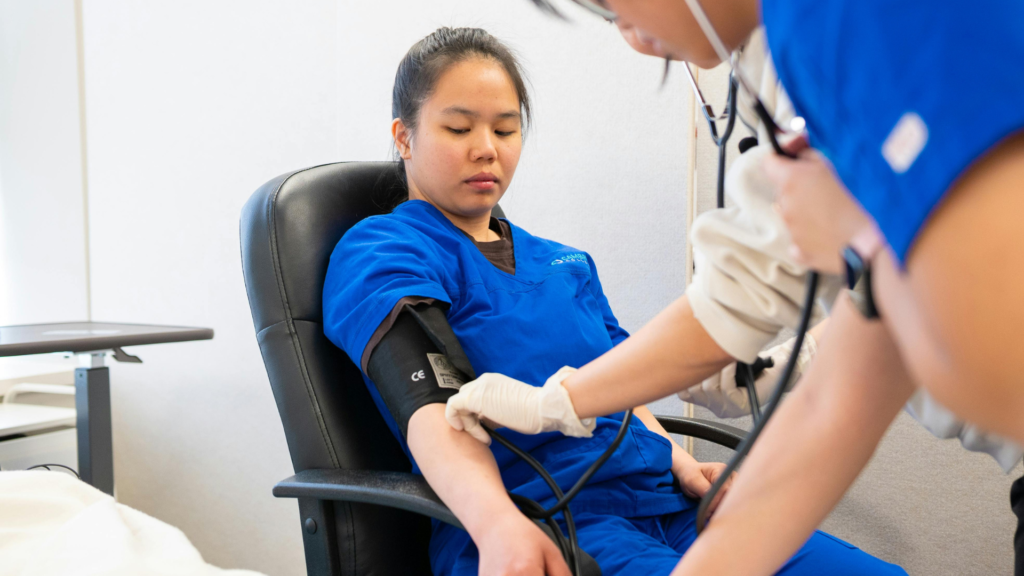
Home health services bring medical expertise directly to participants when procedures require professional oversight, including blood draws, vital sign assessments, and medication administration that cannot be safely self-administered.

Technology Infrastructure and Safety
Virtual clinical trials maintain rigorous safety standards through sophisticated monitoring systems and rapid response protocols that often exceed the surveillance capabilities of traditional studies.
Real-time data monitoring allows research teams to identify concerning trends or adverse events more quickly than traditional studies that rely on scheduled visits, potentially improving participant safety through earlier intervention.
Safety measures in virtual clinical trials:
- Continuous health monitoring through connected devices
- Automated alert systems for concerning vital signs or symptoms
- 24/7 access to research coordinators and principal investigators
- Emergency response protocols coordinated with local healthcare providers
- Regular virtual check-ins with medical staff
Data security protocols protect participant information through encrypted communication platforms, secure cloud storage systems, and multi-factor authentication requirements that meet or exceed healthcare industry standards.
Quality assurance measures ensure that virtual clinical trials generate data comparable to traditional studies through standardized procedures, validated measurement tools, and comprehensive training for participants and staff.
Participant Benefits and Convenience
Virtual clinical trials offer unprecedented convenience for participants while maintaining access to innovative treatments and comprehensive medical monitoring that often exceeds routine healthcare.
Geographic barriers disappear when virtual clinical trials enable participation from any location with internet access, expanding research opportunities for rural communities and underserved populations who previously faced significant travel burdens.
Participant advantages include:
- Elimination of travel time and transportation costs
- Flexible scheduling around work and family commitments
- Reduced time away from daily responsibilities
- Access to cutting-edge treatments regardless of location
- More frequent monitoring and medical attention
Time savings represent significant value for participants who can engage with research studies without disrupting work schedules, childcare arrangements, or other life commitments that make traditional study participation challenging.
Family inclusion becomes easier when virtual clinical trials allow caregivers and family members to participate in consultations and educational sessions from home, improving support systems for participants.

Study Types and Applications
Virtual clinical trials work particularly well for certain types of research while maintaining effectiveness across diverse therapeutic areas and study phases.
Prevention studies benefit significantly from virtual approaches because healthy volunteers can participate easily without frequent clinic visits, enabling larger and more diverse study populations for prevention research.
Therapeutic areas well-suited for virtual clinical trials:
- Mental health and behavioral interventions
- Chronic disease management studies
- Prevention and lifestyle intervention research
- Medication adherence and dosing optimization
- Digital therapeutic device testing
Chronic condition management studies leverage virtual clinical trials to assess how treatments work in real-world settings rather than artificial clinical environments, providing more relevant data about long-term effectiveness.
Digital therapeutics research relies heavily on virtual clinical trial methods to evaluate smartphone apps, wearable devices, and online platforms designed to improve health outcomes through technology-based interventions.

Regulatory Approval and Standards
Virtual clinical trials operate under the same regulatory oversight as traditional studies, with additional guidance from the FDA and other regulatory agencies specifically addressing digital health technologies and remote monitoring.
Good Clinical Practice standards apply equally to virtual clinical trials, ensuring that participant rights, safety, and data integrity remain paramount regardless of study location or technology platform.
Regulatory considerations include:
- FDA guidance on digital health technologies in clinical trials
- Data integrity requirements for electronic systems
- Participant consent for digital data collection
- Quality assurance for remote procedures
- International coordination for multi-country virtual studies
Ethics committees and institutional review boards evaluate virtual clinical trials using the same criteria applied to traditional studies, with additional consideration for digital privacy, data security, and equitable access to technology.
International harmonization efforts ensure that virtual clinical trials conducted across multiple countries meet consistent standards while respecting local regulations and cultural considerations.

Data Quality and Scientific Validity
Virtual clinical trials generate high-quality scientific data through standardized procedures, validated measurement tools, and often more comprehensive monitoring than traditional studies provide.
Continuous data collection provides richer datasets than traditional studies that rely on periodic snapshots, enabling researchers to understand how treatments affect participants throughout their daily lives rather than just during clinic visits.
Data quality advantages:
- Real-time monitoring reduces recall bias and missing data
- Objective measurements from wearable devices supplement self-reported outcomes
- Larger sample sizes possible due to reduced geographic barriers
- More diverse participant populations improve generalizability
- Long-term follow-up easier to maintain through digital platforms
Statistical methods for virtual clinical trials have evolved to handle the unique characteristics of continuous monitoring data while maintaining the same rigorous standards for demonstrating treatment effectiveness and safety.
Publication and regulatory submission of virtual clinical trial results follow identical standards to traditional studies, with growing acceptance from medical journals and regulatory agencies as evidence accumulates about the reliability of virtual approaches.

Technology Requirements and Digital Divide
Virtual clinical trials require participants to have access to reliable internet connections and compatible devices, creating potential barriers that research teams address through equipment provision and technical support.
Digital literacy support helps participants who may be unfamiliar with smartphones, tablets, or telemedicine platforms to engage effectively with virtual clinical trial technologies through training and ongoing technical assistance.
Addressing technology barriers:
- Provision of tablets, smartphones, or monitoring devices
- Technical support and training for participants
- Alternative communication methods for participants with limited digital access
- Partnerships with community organizations to improve technology access
- Simplified user interfaces designed for diverse technology comfort levels
Internet connectivity requirements vary by study but research teams often provide mobile hotspots or data plans for participants who lack reliable internet access at home.
Device compatibility considerations ensure that virtual clinical trial platforms work across different operating systems, device ages, and accessibility needs to accommodate diverse participant populations.
Implementation Challenges and Solutions
Virtual clinical trials face unique challenges that research teams address through careful planning, robust technology infrastructure, and comprehensive participant support systems.
Participant engagement requires different strategies in virtual settings, with research teams developing new approaches to maintain motivation, compliance, and communication throughout remote study participation.
Common challenges and solutions:
- Technology failures addressed through 24/7 technical support and backup systems
- Participant compliance monitored through automated reminders and regular check-ins
- Data security maintained through encrypted platforms and secure communication protocols
- Regulatory compliance ensured through detailed documentation and audit trails
- Quality control maintained through standardized procedures and regular monitoring
Training requirements for research staff include new competencies in digital health technologies, remote communication, and virtual monitoring that complement traditional clinical research skills.
Backup procedures ensure study continuity when technology failures occur, including alternative communication methods and contingency plans for critical safety monitoring.
Future Developments and Trends
Virtual clinical trials continue evolving through advances in artificial intelligence, machine learning, and wearable technology that promise even greater convenience and scientific value.
Artificial intelligence applications help analyze continuous monitoring data to identify patterns and predict adverse events before they occur, potentially improving participant safety and study efficiency.
Emerging trends include:
- AI-powered early warning systems for adverse events
- Advanced wearable devices for continuous biomarker monitoring
- Virtual reality applications for behavioral intervention studies
- Blockchain technology for secure data sharing
- Predictive analytics for participant retention and engagement
Regulatory frameworks are adapting to accommodate rapid technological advances while maintaining rigorous standards for participant protection and data quality in virtual clinical trial settings.
Integration with routine healthcare systems promises to blur the lines between clinical research and standard medical care, creating opportunities for more seamless research participation and real-world evidence generation.
Conclusion
Virtual clinical trials transform medical research by combining cutting-edge technology with rigorous scientific standards to create more accessible, convenient, and often more comprehensive research experiences. These innovative approaches maintain safety and data quality while eliminating traditional barriers to participation.
The future of virtual clinical trials promises even greater convenience and scientific value through advances in AI, wearable technology, and digital health platforms that will make research participation increasingly seamless and valuable.
Consider virtual clinical trial opportunities as a way to access innovative treatments while contributing to medical advancement from the comfort of your own home, with the same safety protections and expert medical care provided by traditional studies.
Contact Valiance Clinical Research to learn about current virtual and hybrid study opportunities that combine technological convenience with the personalized care and attention that make research participation both safe and rewarding.