
What Happens After a Clinical Trial Ends? Understanding Follow-Up and Results
Understanding what happens after clinical trial completion helps participants prepare for the transition from research participation back to routine medical care. The end of a clinical trial doesn’t mean the end of your relationship with the research team or access to information about study outcomes.
Most people wonder what comes next when their clinical trial ends. Will they still receive the study treatment? When will they learn the results? How does the transition back to regular healthcare work? These are all normal questions that every participant should have answered.
What happens after clinical trial varies by study type and duration. However, most trials include structured follow-up periods, results sharing, and transition planning that ensures your safety and continued medical care.

Immediate Post-Study Activities
What happens after clinical trial begins with final study visits and procedures. These activities wrap up data collection and ensure your safety as research participation concludes.
Your final assessment visit resembles the comprehensive evaluation you had when first joining the study. The research team conducts a thorough medical examination. They collect final blood work and perform safety tests. This visit documents your health status at study completion.
Study medication discontinuation requires careful planning. Some treatments need gradual tapering to avoid withdrawal effects. You return any unused study medication to the research site. The team provides instructions for managing potential side effects as treatments end.
The unblinding process reveals which treatment you received during randomized trials. You learn whether you got the experimental treatment or placebo. The research team explains how your response compares to overall study results. This information helps you and your doctor plan future care.
Follow-Up Monitoring and Safety
What happens after clinical trial includes ongoing safety monitoring to protect you from potential delayed effects of experimental treatments.
Short-term follow-up typically lasts 1-6 months after study completion:
- Regular phone calls or clinic visits to monitor your health
- Assessment of any new symptoms or changes
- Documentation of delayed side effects
- Coordination with your regular doctors
Long-term safety monitoring can continue for 1-5 years:
- Annual health questionnaires or brief evaluations
- Monitoring for potential long-term treatment effects
- Tracking disease progression or improvement
- Reporting serious health events to regulatory authorities
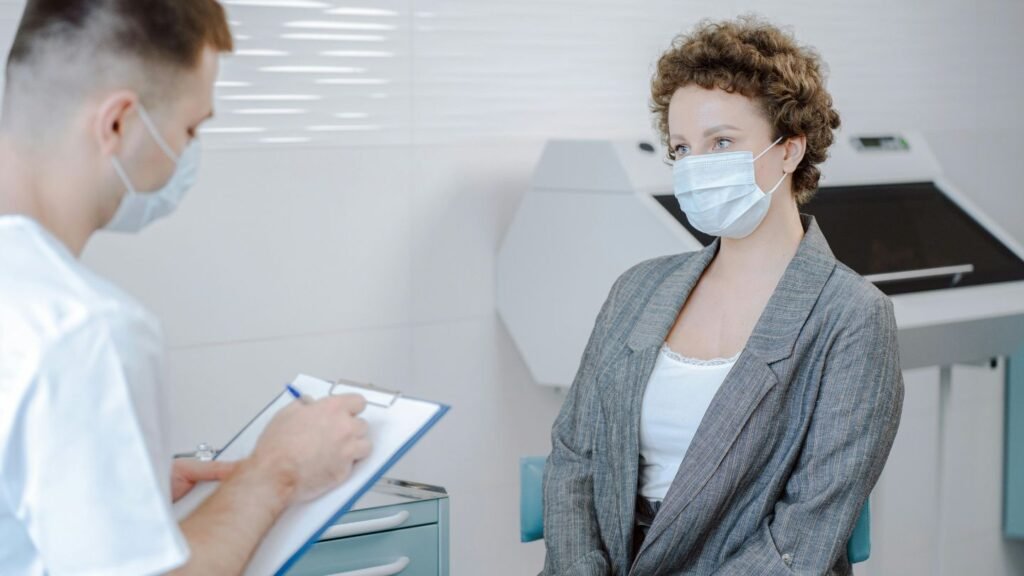
Different types of studies require specific monitoring approaches. Cancer trials may need imaging studies to track tumor response. Heart disease studies might include periodic heart function tests. The research team explains exactly what follow-up applies to your specific trial.
Receiving Study Results
What happens after clinical trial includes learning about study outcomes and how your participation contributed to medical advancement.
The timeline for receiving results depends on study complexity. Initial results typically become available 6-12 months after study completion. Final results may take 1-2 years as researchers analyze all data thoroughly. Publication in medical journals usually occurs 1-3 years after the study ends.
You receive information about study results through multiple channels. The research team sends summary letters explaining overall outcomes. They provide newsletters or emails with progress updates. Educational materials help you understand what results mean for your condition.
Understanding your individual results requires personal discussion with the research team. They explain your response to study treatment. You learn how your experience fits within overall study findings. This conversation helps you understand what results mean for your future treatment options.

Transitioning Back to Standard Care
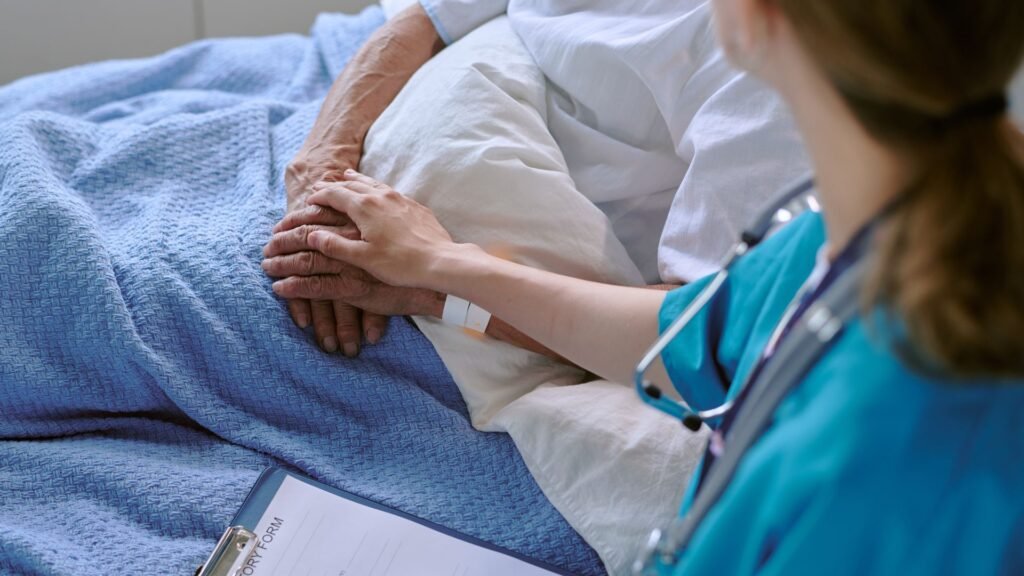
What happens after clinical trial includes carefully planned transitions to ensure continuity of medical care. The research team coordinates closely with your regular healthcare providers during this process.
Your primary care physician receives comprehensive medical summaries about your study participation. These reports detail which treatments you received and how you responded. The research team provides recommendations for ongoing monitoring or follow-up care.
Treatment continuation planning addresses whether study treatments provided benefits for you. The team discusses approved alternatives to experimental treatments. They help you plan for managing any conditions that improved during the study. Insurance coordination ensures coverage for ongoing medical needs.
Lifestyle and health management focuses on maintaining positive changes you developed during study participation. You can continue using monitoring techniques learned during the trial. Educational information becomes part of your ongoing self-care routine.
Access to Experimental Treatments
What happens after clinical trial may include opportunities to continue accessing experimental treatments that showed promise during your participation.
Expanded access programs provide continued treatment for participants who benefited significantly:
- Compassionate use programs for those with serious conditions
- Open-label extension studies offering continued treatment access
- Early access programs while treatments await FDA approval
- Continued safety monitoring during expanded access
The timeline for commercial availability depends on regulatory review processes. The research team provides information about expected FDA review timelines. They update you about regulatory submission progress. You receive notification when experimental treatments become available commercially.
Alternative treatment options may include similar approved therapies. Your research team can guide you toward treatments related to what you received in the trial. They provide referrals to specialists familiar with your condition and study treatment.
Long-term Research Relationships
What happens after clinical trial often includes maintaining relationships with research teams and potential future study participation.
Ongoing communication keeps you informed about research progress and new developments. You may receive invitations to participate in patient advisory committees. Some participants help mentor others considering clinical trials. Educational programs about your condition and treatment advances remain available.
Future research opportunities may arise from your study participation. The research team notifies you about new trials for which you might be eligible. You can choose to participate in natural history studies or patient registries. These ongoing research activities contribute to continued medical advancement.
Database participation allows researchers to contact you about relevant future trials. Your permission enables inclusion in research databases for study matching. You can contribute to large-scale outcome studies and safety monitoring efforts.

Emotional and Practical Considerations
What happens after clinical trial includes addressing emotional aspects of transitioning from intensive research participation to routine care.
Adjusting to routine medical care can feel different after close study monitoring. You may need time to adapt to less frequent medical attention. Maintaining health awareness developed during trial participation helps with this transition. The research team can address any anxiety about reduced medical oversight.
Your sense of contribution to medical research provides lasting satisfaction. Understanding how your participation advanced medical knowledge helps maintain perspective. Recognition of your role in developing treatments for others creates meaningful purpose. Connection to the larger research participant community offers ongoing support.
Managing uncertainty about long-term treatment effects requires ongoing support. Questions about whether you received active treatment may persist. Hope and expectations about treatment effectiveness need realistic perspective. The research team remains available to address concerns about your health management.

Financial and Insurance Considerations
What happens after clinical trial includes understanding how study completion affects your medical costs and insurance coverage.
Study-related medical care typically ends when trials conclude. Your regular insurance coverage resumes for ongoing medical needs. The research team helps coordinate this transition to prevent gaps in care. They provide documentation for insurance companies about your study participation.
Prescription access for study medications depends on commercial availability and insurance coverage. The research team assists with insurance authorization when treatments become available. They provide information about patient assistance programs from pharmaceutical companies.
Ongoing medical monitoring recommended after study completion may require insurance pre-authorization. Your research team provides medical justification for continued testing or specialist care. They coordinate with your primary care physician to ensure appropriate coverage.

Questions to Ask Your Research Team
What happens after clinical trial becomes clearer when you ask specific questions about your study’s post-completion procedures.
Important questions about follow-up include:
- How long will follow-up monitoring continue?
- What specific tests or evaluations will you need?
- When will study results become available?
- How will you receive information about outcomes?
Questions about treatment continuation:
- Did the study treatment help your condition?
- Are there approved alternatives available?
- Can you access the study treatment through expanded access?
- What ongoing medical care do you need?
Questions about future opportunities:
- Will you be eligible for future related studies?
- Can you access patient registries or databases?
- Are there patient advocacy groups you can join?
- How can you stay informed about research progress?
Conclusion
What happens after clinical trial completion marks the beginning of a new phase in your healthcare journey rather than simply an ending. The follow-up care, results sharing, and ongoing support you receive demonstrate the research community’s commitment to participant wellbeing beyond study completion.
Understanding these post-trial processes helps you make informed decisions about research participation. Follow-up monitoring protects your safety. Results communication keeps you informed about scientific progress. Transition planning ensures continuity of care.
Consider what happens after clinical trial as one important factor when evaluating research opportunities. Your health goals and treatment needs matter most. Post-study support should provide reassurance about long-term care, not become your primary reason for joining.
Contact Valiance Clinical Research to learn about current trial opportunities and post-study support. We explain all aspects of participation clearly and answer your questions thoroughly. Our patient-centered approach ensures you understand both the research experience and what comes after, helping you make confident decisions about your healthcare future.