
Age Is Not a Barrier: Clinical Research Opportunities for Seniors

Elderly in clinical trials require special considerations including medication interactions, multiple health conditions, and cognitive assessments. Research opportunities for seniors focus on age-related diseases, quality of life improvements, and treatments specifically designed for older adults.
Clinical Trials for Children: How Research Protects Young Participants

Clinical trials for children involve enhanced safety protections, specialized consent processes, and age-appropriate research designs. These studies require additional ethical oversight and regulatory safeguards to protect young participants while advancing pediatric medicine.
Post-Trial Access: Can You Continue Treatment After the Study?

Post-trial access to treatment provides continued access to experimental therapies after clinical trial completion. Options include expanded access programs, compassionate use protocols, and early access while awaiting regulatory approval.
Long-Term Follow-Up: The Commitment Behind Clinical Research Safety

Long-term follow-up clinical trials continue monitoring participants for months or years after active treatment ends. These studies track delayed effects, late-onset side effects, and long-term benefits to ensure a comprehensive safety assessment of medical treatments.
Phase 4 Trials Explained: The Research That Continues After FDA Approval
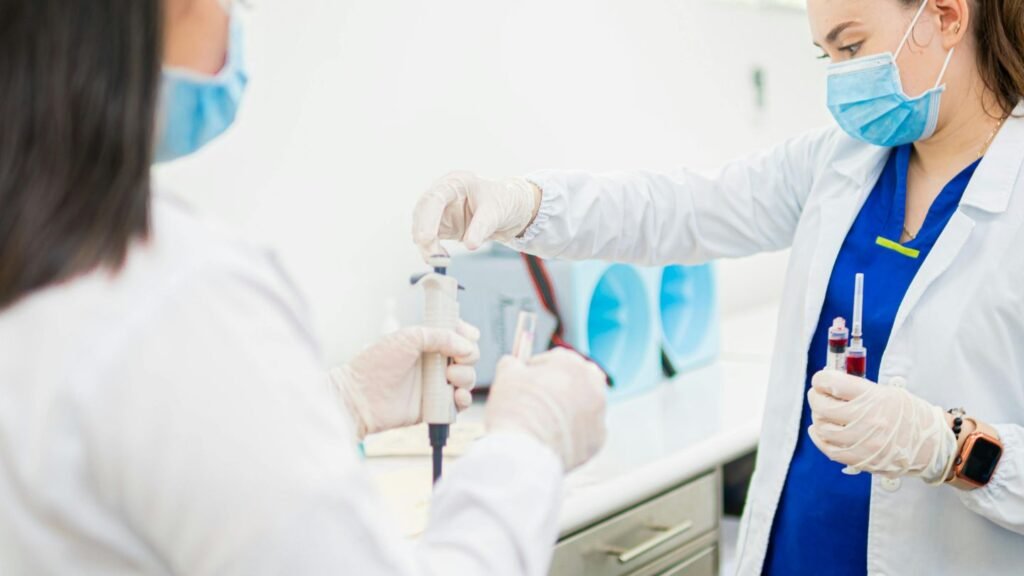
Phase 4 clinical trials occur after FDA approval to monitor long-term safety and effectiveness of treatments in real-world settings. These post-market studies involve larger, more diverse populations and provide ongoing safety surveillance for approved medications and devices.
From Data to Discovery: How Clinical Trial Results Become New Treatments

Clinical trial results go through comprehensive analysis, regulatory review, and approval processes before becoming available treatments. Understanding this pathway helps patients appreciate how research participation contributes to medical advancement and new therapy development.
What Happens After a Clinical Trial Ends? Understanding Follow-Up and Results
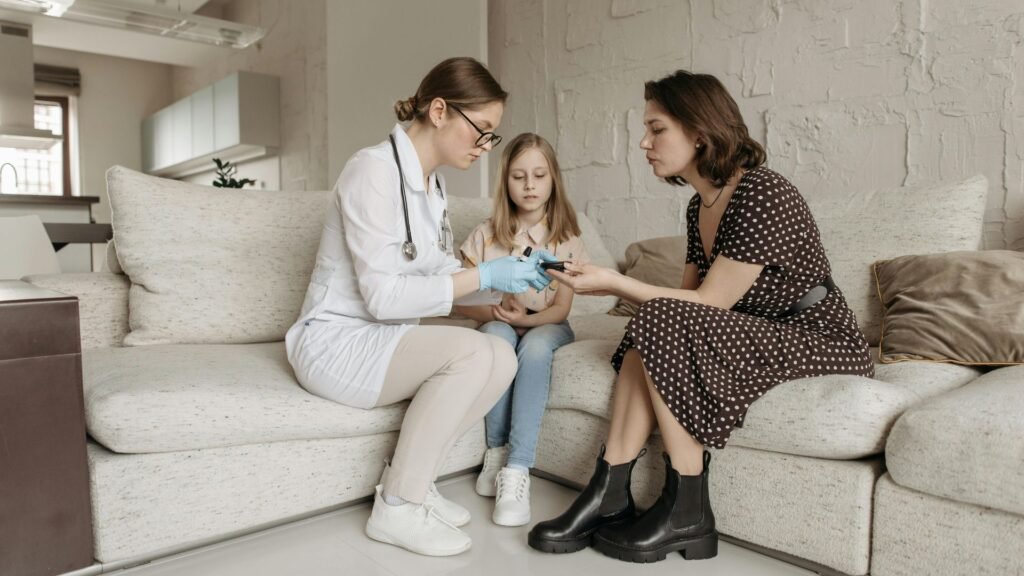
What happens after clinical trial includes post-study follow-up visits, safety monitoring, results communication, transition to standard care, and potential access to experimental treatments through expanded access programs or commercial availability.
Rare Disease Research: Why Clinical Trials Are Especially Important

Rare disease clinical studies are essential for developing treatments for conditions affecting fewer than 200,000 Americans. These studies face unique challenges, including small patient populations, limited funding, and complex trial designs, but provide the only path to new therapies for orphan diseases.
Vaccine Development: Understanding Clinical Trials That Protect Us All

Vaccine trials follow strict phases testing safety, immune response, and effectiveness in thousands of participants. These studies ensure vaccines are safe and effective before approval, involving healthy volunteers who contribute to community immunity and disease prevention.
Mental Health Research: Clinical Trials for Depression and Anxiety

Depression clinical research tests new medications, psychotherapy approaches, brain stimulation techniques, and digital interventions. These studies include trials for major depression, treatment-resistant cases, anxiety disorders, and combination therapies to improve mental health outcomes.