
Alzheimer’s Research: The Promise of Current Clinical Trials

Alzheimer’s clinical trials include studies for prevention, early-stage treatment, and advanced disease management. Current research tests drugs targeting amyloid plaques, tau proteins, inflammation, and lifestyle interventions to slow cognitive decline and improve quality of life.
Heart Disease Research: Current Clinical Trials and New Treatments

Heart disease research studies include trials for heart failure, coronary artery disease, arrhythmias, and prevention. These studies test new medications, devices, surgical techniques, and lifestyle interventions to improve cardiovascular outcomes and reduce heart disease deaths.
Cancer Clinical Trials: Hope, Innovation, and What You Need to Know

Cancer clinical trials test new treatments, drug combinations, and innovative approaches for various cancer types. These studies provide access to cutting-edge therapies while advancing cancer research for future patients worldwide.
Understanding Clinical Trials for Diabetes: What Patients Should Know

Diabetes clinical trials include studies for Type 1, Type 2, gestational diabetes, and prevention research. These trials test new medications, devices, lifestyle interventions, and combination treatments to improve blood sugar control and prevent complications.
From Application to Completion: One Participant’s Clinical Trial Journey

What it’s like clinical trial participation includes initial screening, informed consent, regular study visits, medication management, side effect monitoring, and follow-up care. This complete journey shows the reality of research participation from application to completion.
Balancing Life and Clinical Trials: Practical Tips from Participants

Clinical trial participant testimonials share practical advice for managing study requirements with work schedules, family responsibilities, and personal commitments. Experienced participants offer strategies for medication management, appointment scheduling, and communication with research teams.
A Day in the Life of a Clinical Trial Participant

Life during clinical trial includes structured routines around study visits, careful medication management, detailed symptom monitoring, and regular communication with research coordinators. Daily activities adapt to accommodate research requirements while maintaining normal responsibilities.
Real Stories: How Clinical Trials Changed Lives

Patient stories clinical trials demonstrate how research participation provides early access to treatments, contributes to medical breakthroughs, and offers hope when standard options aren’t working. These real experiences show both challenges and benefits of clinical trial participation.
What It’s Really Like to Participate in a Clinical Trial

Clinical trial experience varies by study type but typically includes screening visits, regular monitoring, medication management, and ongoing communication with research teams. Participants report both challenges and benefits from contributing to medical research while receiving close medical attention.
Autosomal Dominant Polycystic Kidney Disease (ADPKD) Kidney Disease Study
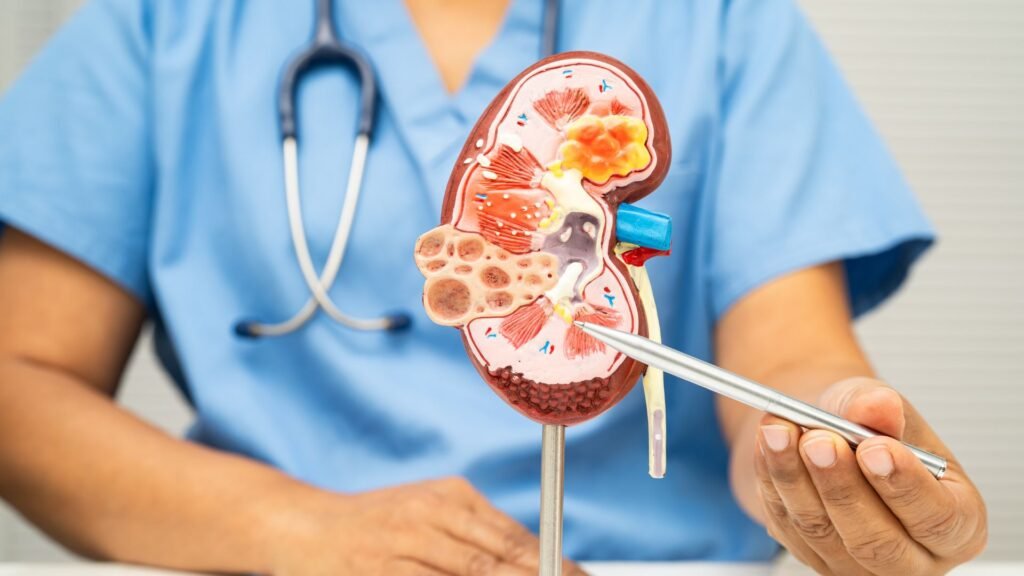
Join our kidney disease research study in Tarzana, CA. Receive $50-$250 per visit,
free medical care, and free transportation. Now enrolling adults 18+ with NASH or MASH diagnosis. Call 818-938-9167.